Wednesday, 22 April 2009

My Bangkok Trip Part Three

4th Stop~~ Wat Chanasongkhram 2nd Class Royal Temple.Inside the ubosot, the altar is quite impressive with its gilded Buddha image in front of a large gilded fan, and ceremonial umbrella above. Of special note are the elephant tusks, one pair of which is ebony. A small enthroned statue of King Taksin is situated in a side aisle.


5th stop~~ Wat Pho The Temple of the Reclining Buddha , 1ST class Royal Temple. The Reclining Buddha is forty-six metres long and fifteen metres high, decorated with gold plating on his body and mother of pearl on his eyes and the soles of his feet. The latter display 108 auspicious scenes in Chinese and Indian styles. The eyes catching Ubosot and the Prang not to be miss. Outside the Chapel, the temple grounds of Wat Po itself are a fascinating and architechurally stunning place to walk around. For a few baht you can drop forty small coins into forty bowls and the giant golden titan may grant you a wish. Not to be missed, the Buddha with Naga and the long gallery of Buddhas.


6th Stop~~ The Grand Palace, Wat Phra Kaeo Special Class Royal Temple. The Emerald Buddha. A pity, unable to take photo as nobody is allow to go into the area except for the King who will change the emerald Buddha. First time I’ve seen the Temple Guardian, (Yaksa). The Golden Chedi and Figures around the Ubosot is the best place for Photo. The wall painting of the Ramakien ~~Amazing!


胡

Tuesday, 21 April 2009

My Bangkok Trip Part TWO

We started our Merit making at the 9 Sacred temples on 3/3/09 at 9am, with all the "homework and research I’ve prepare before my trip. I gave the map to the driver and proceed.

Our first stop~~ Wat Sutha, 1st class Royal Temple of Bangkok. This temple contains the beautiful 13th century Buddha image of Phra Sri Sakyamuni from Sukhothai province. The ashes of King Rama VIII, brother of the current king, are contained in its base. Rows of Buddha images at the chapel were beautifully line up and they are really impressive.


2nd stop ~~ The Golden Mount, Wat Sakae, 2nd Class Royal Temple The 320 steps to get to the top, really Tiring! The top most part is about 100 meters high, and the base is 500 meters in diameter.There is a small shrine beneath the roof-top chedi. From the rooftop terrace you have a 360 degree view of Bangkok


3rd stop ~ Wat Bowonniwet Vihara, 1st class Royal Temple one of the most important temples of Bangkok, whose one-time chief abbot was King Rama IV before he ascended the throne. Other Chakri Kings who had resided here during their monk hood include King Rama IV and King Rama VII, as well as His Majesty King Bhumibol Adulyadej (Rama IX). The ubosot of Wat Bowonniwet contains the Phra Phutthachinasri image of Buddha, which dates from around 1357. There are several rare and much revered Buddha statues including Phra Suwannakhet, Phra Nirantarai and Phra Phuttachinnasi. to be con't


胡

Pictures of rahu


Monday, 20 April 2009

My Bangkok Trip Part ONE

It’s been more than a month after my return from my "spiritual Trip" at Bangkok. Guess it’s time I give some updates to my trip which I have planned to do so last month. Again, my PC at home is down! I should have pray for a new laptop when I’m there.. hahaha.. No lah, I don’t request all this luxury from GOD.

OK, my group of 6 touched down at BKK on 28/2 and after checking in to the hotel, we went straight to the Erawan Shrine to pray to the four faced Buddha. Needless to elaborate more on this FAMOUS Pilgrimage Place. As usual it’s full of devotees from all over the world. Then we head to Yaowarat where we intend to have our dinner and also donating the coffin. Well, my mistake, I should have brought along the map and address of the 「義德善堂] no one was able to give me direction to go, nevertheless, we still donated a coffin at one of a small Chinese temple.

The next temple we visited was Wat Srisathong, Nathon Pathom. The last time I went to this temple was in 2005 and so much changes in this temple. They are upgrading the whole place but one thing which remains~~The flies and Bees! It took us a while to get the courage to eat the offerings after the prayers, well, Singaporeans are too "pampered". Anyway like I told the rest of them, if you want good luck, just eat it!

After visiting the temple, we head to Ayutthaya to the Wat Mahathat. The famous site for the image of the Head of the Buddha, with tree branches growing around it and also rows of headless Buddha. This is a nice and peaceful place and it’s worth a visit. ......to be con't
胡

为消灾 泰国5岁双胞胎姐弟结婚

【本报讯】泰国拍夭府直辖县1户人家16日举行一场特殊的婚礼,新郎新娘是一对双胞胎,而且年龄仅有5岁。
 
16日18点30分,在众多嘉宾见证下,男童塔纳帕吉和女童通帕根据习俗完成婚礼仪式,并由父母送入洞房。
 
这对小新人的父亲阿努瓦(58岁)表示,他和妻子匝丽蓬(37岁)在2004年4月16日喜得1对龙凤胎,现在儿子、女儿已满5周岁。根据古人的禁忌,如果双胞胎为1男、1女,等孩子长大后需要为他们举行结婚仪式,以化解灾害,给未来带来好运。
 
阿努瓦还说,给儿子和女儿举行婚礼的当天下午,是政府彩票开奖日子,中奖号码公布以后,他发现几张彩票都中了尾3字奖,相信是孩子婚礼带来的好运。
本文引用地址:http://www.udnbkk.com/article/2009/0418/article_52488.html

 传说龙凤胎是不吉利的, 龙凤胎的前生是对恩爱夫妻,情深不渝、撼动天地,今生才得以投胎转世,在同一块屋檐下有了兄妹之称。其实不管是传说也好,迷信也好,能够结为兄弟姐妹就是缘分,应该相亲相爱.如果为了求个心安理得,在不伤害任何人的情况下,举行什么仪式都无所谓.

Wednesday, 15 April 2009

Quotes from Amma

"Don't be discouraged by the impossibility of dispelling darkness from the world with your one little candle. Just light it!
Step forward and let it shine with every step you take to help others."

"Grace is the factor that brings the right result at the right time in the right proportion to your actions."

"Try to work selflessly with love.
Pour yourself into whatever you do.
Then you will feel and experience beauty in every field of work.
Love and beauty are within you.
Try to express them through your actions
and you will definitely touch the very source of bliss."


We should try to perform all of our actions as sacred jobs entrusted to us by God. Then all of our actions will be transformed into devotional worship of God, and thus give us fulfilment. See all work as coming from God and our attitude will change and we will change"

Everything in the world is changing―with one exception: our negative mental state! We should develop a mind devoid of egoism―a mind that doesn't fall apart in failure, a mind that finds joy in giving and accepts adversity with love. Such a mind will never experience sorrow."


Monday, 13 April 2009

寺庙主持留宿女子 惹众怒

【本报讯】大城府挽西县差艾镇某寺庙主持威黎吞(法号)留宿女子,昨天(10日)被当地100多名民众、僧人和沙弥包围他的佛舍声讨。

警方昨天获报赶到现场,跟威黎吞交涉近1个小时,才获准入内检查。虽然他否认佛舍藏有女子,但警方仍在佛舍顶端找到名为奉的女子(30岁)。

事后,警方将2人带走,并将威黎吞送到该镇寺庙办事处办理还俗手续。差艾镇镇长颂猜(50岁)透露,威黎吞是当地居民,剃度出家逾25年,于4、5年前开始担任寺庙主持。

近2年时间,发现威黎吞管理的寺庙资金不透明,还经常看见有女子留宿威黎吞的佛舍。直到前天晚上10时左右,接到民众举报,又有女子到威黎吞的佛舍过夜,因此率领民众包围声讨威黎吞。
http://www.udnbkk.com/article/2009/0411/article_52181.html

Songkran Activities

"Wan Chai"(the day of offering)
On this day, apart from preparing new clothes to wear, people will make desserts to offer to monks and to give to friends and relatives. This act of generosity is also a way to show off each family's cooking skills. Well-to-do families will make a large amount of desserts to give away to others. In the past it was not possible to buy desserts since everyone made their own. Nowadays, some Thais follow western traditions by buying and giving cakes to others, as it is more convenient to do so rather than cooking.

Offering food to monks
On the dawn of the first day of the incoming year, people will prepare the best varieties of food to offer to monks. They will also dress up in their best attire. After giving alms to monks, the monks will eat the offered food in the temple hall. People will then go home after the monks have finished their meal
Making Sand Pagodas
There is no specific date for making sand pagodas. It can be done on any day close to Songkran in the temple grounds or on a riverbank. People in Kamphaeng Phet province also make offerings to monks on a riverbank. People in Nakhon Si Thammarat build their sand pagodas twice; first in a temple on the last day of the outgoing year, and then in the grounds of their houses on the first day of the incoming year. The sand used for building pagodas is often taken from a riverbank. 
Releasing birds and fish
 This tradition began a long time ago and it is normally done during the Songkran Festival. Before the festival, the weather is usually very warm and there is not enough water in ponds and rivers for fish to stay; as a result, people will go out to catch fish in dry ponds. Small fish which cannot be eaten will be kept at home until Songkran when there is more water, and then they will be released back to their natural habitat. This tradition has evolved over time and is widely practiced nowadays. At present, in addition to fish, people also free birds as an act of merit-making
Bangsukun Atthi
Apart from releasing birds and fish, there is also a ritual performed by monks to the remains of the deceased in order to pass on merit to them. This ritual is known as Bangsukun Atthi. It will be performed once during the Songkran Festival on any of the three days. In the past, Thais did not bring the ashes of the deceased back home, but the remains were buried under the Bodhi tree in a temple and monks would be invited to perform the ritual there.
This ritual is believed to be local and is not influenced by Indian traditions because the Indians usually discard ashes in a water source, especially into the Ganges River. In some areas in Thailand, people also perform a rite to worship guardian spirits of the village and town. In Central Thailand, household chores such as gathering firewood and fetching water are prohibited during Songkran, and these chores must be done beforehand
Song Nam, Rot Nam, and Sat Nam
To bathe a Buddha image, people will first make an offering of flowers, candles, and incense sticks to the image. Then they will sprinkle lustral water signifying bathing onto the image as a gesture of respect. A procession of the Buddha image will be made prior to the bathing. After that people will also bathe a Buddhist monk, usually the abbot, by pouring lustral water over him. The abbot will change into a new robe offered to him by laymen, and then he will give a sermon and bless the people who attend these bathing rituals. Besides, people will also call on elders and respected people to ask for their blessings.

After that, people will play by splashing water at one another. A feast in the temple grounds will follow. Traditional desserts will be served there.

The Songkran Festival is very much related to water, since people believe that water splashing will induce abundant rainfall in the incoming year. Water is also a symbol of fertility and is used to clean bad things. As a result, water is used widely in different ceremonies and rites of passage.
Rod Nam Dam Hua
People in Northwest Thailand conduct the bathingritual to the elders and respected ones on New Year's Day. Apart from flowers, candles, incense sticks, and new clothes, betel nuts, Acacia water, and traditional perfume are also part of the gifts presented. Betel nut is a symbol of respect and hospitality. In the old days, Acacia water was used as soap. Once the elders receive the gifts, they will sprinkle the Acacia water and the perfume on top of the younger family members' heads to give them blessings.
Nowadays, some people still bring their new clothes and personal belongings along with other ritual objects; such as, banana, sugarcane, and jackfruit leaves, to the temple so that Buddhist monks can sprinkle them with holy water in order to purify the clothes. These clothes and objects will be kept untouched for days for auspiciousness.

Friday, 3 April 2009

Songkran Rituals

April 13 or Wan Sangkan Long 
Wan Sangkan Long means the old year passes by (Sangkan is derived from the word Songkran. Lanna people cannot pronounce double consonants. So Songkran is pronounced Sangkan; Pret is pronounced Pet; Krot is pronounced, Kot). According to the belief of the northern people, there are Kun Sangkan (a male) and Nang Songkran (a female). On New Year's Day (Sankan Long), a prediction will be announced, similar to the Songkran announcement of the Central Region; for example, "Sankan Long happens on Sunday with Kun Sangkan, riding on the Naga with a cloud in his hand, moving quickly from the west. Nang Songkran named Siri, holds a cannon, meaning there will be war. Insects will destroy the rice fields. Rain will be abundant. Cattle will fall ill. The wealthy will suffer. White Yang wood is the best quality wood. The spirit of rice lies in the bamboo. Those born on Tuesday will face problems. Those born on Saturday will have good fortune. Red objects and live beings will be costly. White objects will cost less."
April 14 is called, Wan Nao or Wan Da (preparation day)
Wan Nao or Wan Da is an auspicious day when everyone must be cheerful, and must not curse or behave badly. In the morning, food and offerings for the monks are prepared and then distributed to friends and relatives in the following morning. In the afternoon, sand is brought to the temple compounds and sand stupas are created as a form of worship to the Lord Buddha. Finally the time comes for gently splashing water at one another with a word of blessing.
April 15 is called, Wan Phaya Wan
Wan Phaya Wan is the most important day of the New Year celebration or the Wan Taleung Sok of the Central Region. There may also be 4 additional days of celebration: 15 April (Wan Pak Pi), 16 April (Wan Pak Deuan), 17 April (Wan Pak Wan), and 18 April (Wan Pak Yam). Wan Songkran involves merit making, offering food to monks, listening to sermons, paying respect to elders, and having fun.

Wednesday, 1 April 2009

再见了! AMMA

"圣母"AMMA今天启程到毛里球斯而我有幸又得到消息让我能够在第一时间就在机场迎接她.当然很幸运的是我也再次得到她的"拥抱"那种站在最前线的感觉真的是太好了.
今天AMMA也分给在场的人一些巧克立和糖果那么我也在场捕捉到她的倩影,拍了一些不是太"清楚"的照片. 她真的好慈祥,可以肯定她那么受推崇,受人们爱戴,尊敬是不用质疑的.
 

好东西是要和大家分享的,我通知了一些同事,其中一为大叔因为太太不舒服,,得要在家照顾而错过了几天前的节目,今天我把他拉了出来,他也在第一时间得到了AMMA的拥抱,他说他的"心头大石"就那么的放了下来,真的是了却他的心愿了,拼命的跟我到谢.问他感觉如何,他说"整个人神清气爽,还起了鸡皮疙瘩"…..一样一样…
 
另一个则是有心事想要得到"指点"的人,当然在场的AMMA应该也给了他答案,因为他脸上出现了"满意"的神情,还说我的午餐他包了!其实不必跟我道谢,我觉得冥冥中注定了我们与AMMA的缘分,所以我们才会在这里遇见,认识甚至帮到对方.
 
不知道是因为被拥抱的感觉
,让我很开心,满足,还是帮人家了却心愿让我真的很开心.
我想再难过的日子应该也会随着这些烟消云散吧,因为我相信明天会更好!
 
**
照片明天放上!

Monday, 30 March 2009

Amma's Darshan

I went to Suntec yesterday and waited about 5hours before i get my chance to receive Amma's darshan. We were really very excited after the darshan, the feeling was GREAT! And I would say~~~ it's worth waiting.
My friend who went with me was speechless... He just couldn't speak! When we ask him how does he feel? He just keep smiling and lost of word. Amma whispered something in our ear, but i really can't figure out. I believe it must be some kinds of prayers and i'm happy because my friend from india wrote down my request in Amma's language and i got the chance to pass to her and i guess the word she whisper in our ears was blessing from her.     
 
I spoke to some followers of Amma and all of them told me Amma's darshan is powerful and has the ability to heal and change people. With a hug, she has been known to take on people's karma and physical diseases, and in so doing, clear them of their pain and illness by clearing it through her own body.
 
I've experienced the hug and I know i'll be there again, regardless how long the queue will be!

Friday, 27 March 2009

Newspaper Cutting ~ Luang Pu Tim

Thai Newspaper Cutting on the news of LP Tim

demise of Luang Pu Tim ( 1913-2009)

Luang Pu Tim, Wat Phra Kao passed away peacefully 22 march 2552 at 10.55pm.

Boundless Compassion~Amma ( 28-30 March)

It's been a while since i last update my page. Sorry about that. I was away to Bangkok for the visiting of 9 Temples, came back, busy falling sick and busy working, worst, Computer broke down AGAIN...... Anyway, Here i am sharing some meaningful event with you guys.
 
This morning, I was at the airport receiving Amma who will be here for a 3 days at Suntec City Hall 6 from 28th-30th March.  
 
Who is Amma?
 
Around the world Mata Amritananadamayi Devi (AMMA) is identified as the Mother of Compassion. The press has also nicknamed her the Hugging Saint, because of her famous hug-blessings (darshans), which she has given tirelessly since she was a teenager. It is estimated that Amma has already hugged over twenty five million times.
Amma makes herself available to anyone wishing to receive her darshan. There is never a charge at public programs, and no one is excluded. Hour after hour, day after day, year after year, she receives everyone in the same loving way, irrespective of religious faith or non-belief.
On a typical tour stop, Amma will lead a brief morning meditation followed by darshan late into the afternoon. In the evening she returns to give satsang (an inspired talk), followed by an approximate 90-minute session of bhajans (devotional songs) where she leads an unusually talented troupe of swamis (monks). At the conclusion of the music she will sit, hour after hour, well into the morning hours, giving darshan.
The second way Amma reaches out is via charitable institutions, administered under the aegis of the Mata Amritanandamayi Mission. Teaching by the example of her own life, Amma blends spiritual awareness with practical social service. "Compassion to the poor is our duty to God," she instructs. "If you do spiritual practice without performing selfless actions, it will be like building a house without any doors."
At a young age, Amma concluded that human suffering stemmed almost fully from a lack of love. Thereafter she resolved to be part of the solution, thus offering her entire life as an expression of divine love.

Amma's Desire ~
"Everyone in the world should be able to sleep without fear, at least for one night. Everyone should be able to eat his fill, at least for one day. There should be at least one day when hospitals see no one admitted due to violence. By doing selfless service for at least one day, everyone should help the poor and needy. It is Amma's prayer that at least this small dream be realised."
 
I'll be attending the Meditation and Darshan on Sunday and i'm really looking forward to EXPERIENCE her hug!
http://www.amma.org.sg/doc/ammainnews2008.pdf
www.amma.org.sg 
Note: The pic show the flower i managed to get from the garland she wore!

Wednesday, 4 March 2009

Worshipping Six Gods in Ratchaprasong area -pt 3

Trimurti

Trimurti is the the manifestation of the 3 supreme gods: Brahma the creator, Vishnu the preserver, and Shiva the destroyer. The integration of 3 most sacred power in one god makes Trimurti considered as the one of the most powerful gods.
These 3 gods can be compared to the symbol of natural power: creation power, maintenance power, and destroy power. These 3 kinds of power are symbolized by the word "Om," which comes from "Ma" representing Brahma, "Aa" representing Vishnu, and "U" representing Shiva.
Therefore, praying this word is similar to saying the names of the 3 grate gods, which is believed that it can give superb blessing from gods. Most people believe that whorshipping Trimurti can grant them the fertility of life, love, and work. Thai people's belief and faith towards Trimurti focus on worshipping him as the great god of love, especially among teenagers who have strong faith in him. On Valentine's day, a lot of people will come to worship him to ask for his blessings.
This is another belief that people have towards Trimurti. It is believed that 9.30pm. on every Thursday night is the auspicious time that god will come down from the heaven and grant their wishes.
Location: In front of Isetan and Central World Plaza
Flower for Worship: For being most auspicious, use bale leaf (three-serrated). If you cannot find, you can use other kinds of flowers, such as white lotus, margosa leaf, fragrant yellow-petalled flowers such as Michelia champaca and Michelia longifolia. Also use 9 red joss sticks.
Festive Day: Every December 2

Brahma
The Erawan Shrine is the most respected sacred place in this area. Each year, there are millions of people coming to worship him at Ratchaprasong intersection. According to Hinduism's history, Brahma originated inside a lotus sprouting up from Vishnu's naval, while the latter was sleeping on the back of the Naga King at Scene from the Churning of the Milk Ocean.
He is highly respected because he is the creator of all things in the world. He is admired for being one of the 3 great gods, together with Vishnu and Shiva. He is called the great god of mercy and human human destiny since he is full of kindness and calm. He listens to the wishes of people from all directions by his four faces which take care of all over the heaven and the world. He grants the wishes of all faithful worshippers.
According to the legend, Brahma created human beings by his own organs, such as the Brahmins from his head, the Kshatriyas from his shoulder, the Vaishywas from his stomach, and the Shudras from his feet.
Location: In front of Erawan Bangkok
Flower for Worship: White lotus or white flowers, such as apocyanceae, jasmine, orange jasmine. For joss sticks, use 12 joss sticks to pitch in 4 basins in front of each face of Brahma
Festive Day: Every November 9

Tuesday, 3 March 2009

Worshipping Six Gods in Ratchaprasong area-pt 2

Narayana on Garuda

Narayana or Vishnu is one of the 3 great gods of Hinduism.

He was originated from Shiva's rubbing his left hand with right hand. Shiva taught all kinds of arts to Narayana and let Narayana stay at Scene from the Churning of the Milk Ocean. Whenever bad things happen, Vishnu has the duty to get rid of those demons or bad people, so he gets the name 'the preserver of the universe'. Moreover, he often incarnates in order to destroy the sorrow or suffering of human beings.

Narayana has 4 arms holding weapons, which are a club, a lotus flower, a discus and a conch shell. His vehicle is Garuda. His power can get rid of evil things and destroy the demons in that area.

Location: In front of Inter-Continetal Hotel Bangkok

Flowers for Worship: White lotus, Cape marigold, white orchid, jasmine

Festive Day: Every May 18


Indra

Indra or Indhor who has green skin is the great god in Indra dwells. He has 1,000 eyes, so he is worshipped as a god who takes care of joy and sorrow of human beings. He has beautiful appearance, so he is a gallant god. His hand holes the lightening bolt to kill devils or drought demons. He rides an elephant named Airavata who normally is a pretty god loving drinking soma.

When Indra would like to go anywhere, he will transform to be Airavata. In Buddha's Era, Indra played a three-string harp for Lord Buddha during his attitude of suffering.

Location: Amarin Plaza

Flowers for Worship: White or red lotus, white rose, or any kind of fragrant flowers

Monday, 2 March 2009

Worshipping Six Gods in Ratchaprasong area -pt 1

Ganesha

He was born from Uma Parvati who was the consort of Shiva. She took her own gook and created it to be a pretty gentleman to guard at the entrance of the cave, not letting anyone cone in without permission while she is taking baht alone. At first, he was born with a human head, but one day, Shiva came to visit her, but Ganesha did not allow him to enter the cave since he did not know that Shiva was his father. Shiva got so angry that he commanded his team to kill the gatekeeper, Ganesha. When Uma Parvati found out, the battle between god and goddess happened. It was so troublesome that Mararishi ancetic had to offer to reconcile their dispute. Uma Parvati would stop only if her son was alive again. Shiva commanded the gods to find the head of the first living thing they found to replace his son's head. The god got an elephant's head, so Ganesha had the elephant head since then. Ganesha is the god of success and the king of all kinds of arts. He has had a close relationship with Thai society for very long time.

Location : In front of Isetan and Central World Plaza
Flower for Worship: Red lotus is most important, or red rose, basil leaf, pomegranate leaf, mango leaf (believed by Hinduism to be auspicious leaf), Bermuda grass, jasmine flower, bel leaf, solunum torvum leaf, Indian jujube leaf, thevetia leaf, Fape marigold flower.
Festive Day: Every December 2


Lakshmi

She is the goddess born from ambrosial water while devas and demons performed 14 magical things. Those included a lady sitting on the red lotus, who is Lakshmi. She is the goddess of fortune who always has mercy. She is the role model for all women because she has pleasant speeches and also brings prosperity. Narayana saw her when he incarnated to be a giant turtle to lift the earth. He fell in love with her, so he used his magical power to make her become his consort. According to the legend, Lakshmi will take incarnation every time Narayana take incarnation. It is believed that Lakshmi has concealing power that supports Narayana to have power to preserve the world. Lakshmi is often worshipped as the goddess of wealth and goodness, who will grant luck, prosperity, and fertility to her worshippers.

Location : The deck on the 4th floor of Gaysorn Plaza

Flowers for Worship: White or pink Nelumbo, Amaranth in any colors, pink rose. To worship, you should put a tub full of water in front of Lakshmi's photo. Before offering, you should unfurl lotus petals and let it float in the tub. (This is because Lakshmi was born from bubbles.)

Festive Day: Every October 22

Sunday, 1 March 2009

Wat Bowonniwet Vihara

Wat Bowonniwet Vihara (วัดบวรนิเวศวิหาร) is a major Buddhist temple in Phra Nakhon district, Bangkok, Thailand.

The temple is a center of the Thammayut Nikaya school of Thai Theravada Buddhism and has been a major temple of patronage for the Chakri dynasty. It is the shrine-hall of Phra Phutthachinasri (พระพุทธชินสีห์) which was moulded in about 1357.

Prince Bhikkhu Mongkut arrived at the temple in 1836 (ordination name: Vajirañāṇo) and became the first abbot. He later acceeded to the throne of Siam as King Rama IV. His great grandson, King Bhumibol Adulyadej ordained at the Grand Palace (Wat Phra Kaew) and resided here for a short period after he became King.

Bhumibol's mentor, Somdet Phra Yanasangworn, eventually became abbot of the temple, and later, the Supreme Patriarch of Thai Buddhism. Exiled dictator Thanom Kittikachorn returned to Thailand as a novice monk to join Wat Bowonniwet leading to large public demonstrations and a bloody crackdown in October 1976. King Bhumibol Adulyadej's son, Prince Vajiralongkorn was ordained and spent a short period at this temple, as well as several of the Prince's own sons.
Where: 248 Phrasumen Road, Phra Nakkon
Open: 08:00 - 17:00
Offering: 3 incense stick, 1 pair of candles.
Admission; Free
http://www.watbowon.org

Saturday, 28 February 2009

Wat Pho (Wat Chetupon)

This large and extensive temple neighbours the Grand Palace on Thai Wang Road and houses the very impressive gigantic gold plated reclining Buddha which is some 46 metres long and 15 metres high. Its soles are inlaid with mother of pearl. The temple is regarded as the first centre of public education and is sometimes call Thailand's first university.
A view from one of the largest Chedis where there is an entrance. Chedi usually contain a relic of the Buddha or the ashes of a king or an important monk. The function is similiar to the pyramids in Egypt. The large Wiharn (building that houses Buddha images) in this image houses the Reclining Buddha.
The other name for Wat Pho is Wat Phra Chetuphon. The Reclining Buddha and the mother of pearl. Other than the Buddha statue the walls surrounding it are covered with beautiful Thai paintings. The head side of the Reclining Buddha. The Wiharn which houses the Reclining Buddha is a large building from the outside but when inside feels small.

The Chedis are decorated chinese ceramic tiles. Very carefully detailed. There are 95 Chedis in Wat Po.
Address:2 Sanamchai Road Phra Borommaharatchawang Sub-District Phra Nakhon District Bangkok 10200
Opening Hours:
Temple: Daily 8 am-5 pm
Ubosot: Daily 8 am-5 pm
Admission Fee:Foreigner 50 Baht

Friday, 27 February 2009

Wat Kanlayanamit Woramahawihan

Wat Kanlayanamit Woramahawihan is a secondary monastery. Initialy, Chao Phraya Nikhon Bodin (Toh Kalayanamit) offered his residence and land formerly called "Chinese Monk Village" and it was turned into a royal monastery in the reign of King Rama III in 1852, and got graciously named as Wat Kanlayanamit".

The principle Wihan houses " Phra Putta Trai Rattana Nayok (Luang Poh Toh)" or "Sam Po Hood Gong" or "sam Po Gong" in Chinese. The only one principle Buddha Image of Palilai posture in Thailand. In the main Chapel, you can see the fine mural painting about history of Lord Buddha. The tower of Ho Phra Tham Montien Talerng Phrakiat stores various Buddhist scriptures.


Getting There:Take a boat at Pakklong Talad (Flower market) Pier to Wat Kanlaya Pier
Offering : 3 Incense sticks, 1 pair of red candles, flower or garland.

Thursday, 26 February 2009

Wat Rakangkositaram Woramahawihan


Located on Arun Amarin Road, Bangkok Noi District, on the western bank of the Chao Phraya River, this temple was built in Ayutthaya Period, and later renovated by King Rama I.
The name Wat Rakang was given after the renovation when a bell buried in the ground was found. (Rakang is a Thai word for bell.)
In Thai culture, ringing bells are compared to widespread fame. People thus come to Wat Rakang to pray for reputation.
Address:250 Arun Amarin Road, Sirirai Sub-District, Bangkoknoi District, Bangkok 10700
Peir:
1. Chao Phraya Express Boat: Railway Station Pier Wang Lang Pier
2. Ferry: Tha Chang Pier Wat Rakhang Pier
3. Pier Wihan Somdet: 8 am - 5.30 pm
Opening Hours:
Temple: Daily 5 am-9 pm
Ubosot: Daily 6 am-6 pm
Wihan Somdet: Daily 8 am-5 pm
Admission Fee: free

Wednesday, 25 February 2009

Wat Suthat Thepwararam


Wat Suthat Thepwararam (วัดสุทัศน์เทพวราราม) is a royal temple of the first grade, one of six such temples in Thailand.

Located in front of the Giant Swing on Bamrung Muang Road, Phra Nakhon District, Wat Suthat's history dates back to the reign of King Rama I when the construction started. Back then, its location was considered to be the centre of Bangkok. This grand temple features refined murals, sculptures and plenty of exeptional Chinese statuary. It also houses the centuries-old Phra Sri Sakayamuni image cast in Sukhothai Period. This image is enshrined in the ordination hall which is the longest ordination hall in Thailand. People who pray at this royal monastery believe they will be blessed with charm and a good vision.

Construction was begun by His Majesty King Rama I in 1807 (B.E. 2350). Further construction and decorations were carried out by King Rama II who helped carve the wooden doors, but the temple was not completed until the reign of King Rama III in 1847 (B.E.2390).

This temple contains the Buddha image Phra Sri Sakyamuni or "Sisakayamunee" which moved from Sukhothai province. At the lower terrace of the base, there are 28 Chinese pagodas which mean the 28 Buddhas born on this earth.

Wat Suthat also contains Phra Buddha Trilokachet in the Ubosot (Ordinary Hall) and Phra Buddha Setthamuni in Sala Kan Parien (Meeting Hall).

Address:
146 Bamrung Muang Road Ratchabophit Sub-District Phra Nakhon District Bangkok 10200
Opening Hours:
Temple: Daily 8:30 am-9 pm
Ubosot: Daily 9 am-4 pm
Wihan Luang: Daily 9 am-9 pm
Admission fee: 20 baht

Tuesday, 24 February 2009

Wat Chanasongkram, bangkok


Photo courtesy of bangkoktourist.com

Proof that the sacred can survive amidst the profane is Wat Chanagonkram. Its location in backpacker enclave Banglamphu, close to Khao San Road and mildly less frenetic Soi Rambuttri, belies both the ancient heritage and the tranquillity of this small temple and its shady grounds.

Its origins date back to the Ayutthaya period, but it was restored in 1787, during the reign of Rama I. This was after the famous victory at the battle of nine armies, which explains the name - Wat Chanasongkhram Rajaworamahaviharn, which translates as 'victory in war'.

In the past, this temple was known as Wat Tong Pu, however, King Rama I renamed it 'Chanasongkram' in honour of his younger brother, vice King Boworn Mahasura Singhanat, who stopped here on his way back from his victory in 3 great wars. In Thai, Chana means victory and Songkram means war.

Due to the temple's auspicious name, people pray for a trouble-free life and succesful career here when the pay homage to the principal Buddha inmage in the ordination hall.

At the rear is a sedate tree-lined courtyard, including temple housing where monks and lay workers still reside. Within the temple compound is a small courtyard. The windows and gable of the small 'Ubosot', or ordination hall, feature elaborately gilded wood, while inside at the altar sits a famous Buddha image in the subduing mara posture called Phra Phra Buddha Norasee Trilokachet, dating from the reign of Rama I. Around it sit 15 Buddha images from the same period, and also a pair of ebony elephant tusks.

There is also a statue of King Taksin, which predates the Chakri Dynasty. In front of the compound sit two chedis in the Jom Hae style, with wide base and sharp top.

Address:Chakkrabongse Road Banglamphu Sub-District Phra Nakhon District Bangkok 10200
Pier:1. Chao Phraya Express Boat: Phra Athit
Pier2. Passenger Boat: Phra Sumen Fort Pier (Phadung Krungkasem Canal)
Opening Hours:
Temple: Daily 5 am-8 pm
Ubosot: Daily 6 am-6 pm
Admission Fee:Free Admission

**This is one of the 9 temple i'll be visiting next month. will take more pictures to post it here.

Monday, 23 February 2009

Face - Washing Ceremony

Myanmar Buddhist people have strong and staunch belief that the GREAT IMAGE personified the living Buddha. They must do something in honor of Buddha and they initiate a ritual of washing the face with fragrant scented water and cleaning the teeth of the GREAT IMAGE.

In February 17, 1988, the Ven. Sayadaw Buddhanta Pannya Vamsa of South Htilin monastery, Pitaka Kyaung, commenced his daily routine of washing and cleaning the face of the GREAT IMAGE at dawn.

The washing and cleaning ceremony starts at early 4.30 a.m. every day. The towels are offered by lay devotees and after the ceremony, the towels are given to the worshippers to be honored at their home shrines. Only the male devotees are permitted to apply gold leaf on the IMAGE. For female worshippers, the said kind of donation is carried out by pagoda officials on their behalf.

Sunday, 22 February 2009

Wat Saket Ratcha Wora Maha Wihan วัดสระเกศราชวรมหาวิหาร


Wat Saket Ratcha Wora Maha Wihan ( วัดสระเกศราชวรมหาวิหาร, usually short Wat Saket) is a Buddhist temple in Pom Prap Sattru Phai district, Bangkok, Thailand.

The temple dates back to Ayutthaya era, when it was called Wat Sakae. King Rama I renovated the temple and renamed it to Wat Saket. During the reign of King Rama III the Chedi Phu Khao Thong (Golden mountain, ภูเขาทอง) was added to the temple. It was finished under King Rama V and then named Suwannabanphot.

This monastery hosts the splendid Golden Mount where relics of the Buddha are enshrined. Around 78 metres high, this landmark is surmounted by a golden pagoda.

If you pray for security and prosper in life, visit the sacred compound.

Opening hours:08.30-17.30 hrs.
Admission to the tap of the Golden Mount:Bath 10

Friday, 20 February 2009

Pra Khru Worawetmni (Luang Por Ie) Wat Luang Po

One local legend of this monk is that when the Sattahip naval base was heavily attacked during World War II, people fleeing the temple were astonished to see Luang Por Ie standing in the middle of the temple courtyard praying.The bombs from the planes then fell harmlessly into the sea and people also saw Luang Por Ie’s “Palad Kik”, a sacred small wooden penis image, chase the planes and the bombs, somewhat like a modern-day guided missile.People swore that Luang Por was seen receiving food offerings in Chonburi before they took a bus back to Sattahip. But the monk was already at the temple when they arrived in Sattahip without taking the same bus back.The abbot was sick from an abscess in his neck in 1946 but didn’t want to be treated, recalling that in his previous life that he had killed a deer by shooting it in the neck. It was then the right retribution with which to end in this life.He passed away at the age of 81 on September 20, 1946, which corresponded to the waning moon during the 10th day of lunar month 10 at 8.35pm.

Wednesday, 18 February 2009

Maha Muni, the most venerated temple - pagoda in Mandalay

The Maha Muni Buddha is a celebrated huge sculpture of Lord Buddha in the Maha Muni Pagoda - called PAYAGYI by the Buddhist devotees with reverence and veneration.

MAHA MUNI is meant THE EXALTED SAGE AND SAINT. This GREAT IMAGE (picture below )was brought from Myohaung in the Rakhine state during the reign of King Bodawpaya in 1784 over difficult terrain of high overhanging mountain ranges and Ayeyarwady River and enshrined in a imposing building in Amarapura.

Though the building that housed the great image caught fire, the image was saved. Originally, IT was made of alloy but now being heavily gilded with gold, increasing day by day; it is estimated to weigh more than one ton of gold. The golden crown of the Maha Muni is studded with several precious stones and gems, rubies, sapphires, emeralds, jade, diamonds, etc. donated by pious devotees.

The Great Image is in a sitting posture
with legs folded under the body in Bhumi Phatha Mudra and resting on a pedestal, 6 ft-10 in high. Its dimensions taken in 1917 are as follows:

1. Height 12 ft-7 in
2. The waist 9 ft-6 in
3. The arms 4 ft-11 in
4. Breadth from shoulder to shoulder6 ft-1 in
5. Breadth at base 9 ft-0 in

Continuous gilding with gold leaves has decidedly changed the said dimensions.

Sunday, 15 February 2009

Offering

How should we tell God that we are offering something to them? Usually we will say out the name of the occasion, what we have for HIM and also ask for blessing. Below is a little chant we can practice.

Aspiration at time of Offering

Sudinnam vata me danam, asavakkhayavaham, nibbanam hotu, me anagate kale.
This Dana of mine has been properly offered. may this Dana result in the obliteration of all defilements and in the achievement of Nibbana in the future.

Removing Offerings from the Buddha Altar
How many of us ever ask for Buddha's "Permission" before we remove the offerings from the Altar. Guess after the 3rd day we will just clear away the offerings not knowing that we have to chant a little note for that. Here is to share with all of you.

Sesam Mangalam Yacami.

May I ask for the remaining auspiciousness ( offerings)

Saturday, 14 February 2009

Sanghaguna ( Worshipping the Holy Order)

Supatipanno Bhagavato Savaka Sangho, Ujupatipanno Bhagavato Savakasangho, Nayapatipanno Bhagavato Savakasangho, Samicipatipanno Bhagavato Savakasangho, Yadidam cattari purisayugani attha purisapuggalaesa Bhagavato Savaka sangho, Ahuneyyo, pahuneyyo, dakkhxeyyo, anjalikaraniyo, Anuttaram pannakkhettam lokassati
" The order of Holy Disciples of the Blessed One is established on the right Way. the Order of Holy Disciples of the Blessed One is established on the straight Way. The Order is established on the true Way. The Order of Holy Disciples of the Blessed One is established on the proper Way. That is, the four pairs of person, the eight Holy Individuals. This Order of Holy Disciples of the Blessed One is worthy of gifts and reverential salutations, and is an incomparable field of merit for the world."

Friday, 13 February 2009

Dhammaguna ( Worshipping the Sacred Teaching)

Svakkhato, Bhagabata, Dhammo, Sanditthiko, Akaliko, Ehipassiko, Opanayiko, Paccattam Veditabbo, Vinnuhiti.
The Teaching is perfectly enunciated by the Blessed One, is verifiable here and now, is with immediate fruit, invites all to test is themselves, leads onward to Nibbana, and is to be experienced by the wise, each for himself.

Thursday, 12 February 2009

Monk Blessing

Namo tassa Bhagavato Arahato Sammasambuddhassa ( repeat 3 Times)

Buddhaguna ( Worshipping the Enlightened One)
Itipi so Bhagava, Araharn Sammasambuddho, Vijjacarana sampanno, Sugato, Lokavide,Anuttaro, Purisadammasarathi, Sattha, Devamanussanam, Buddho, Bhagavaati.
Thus indeed is the Blessed Ones, He is the Accomplished One, the Supremely Enlightened One, the Perfect Embodiment of Wisdom and Virtue, the Auspicious Path-finder, the Knower of All Realms, the Incomparable Tamer of Individuals, the Supreme master of Gods and Men, the Awakened One, the Lord.

Monday, 9 February 2009

Makha Bucha Day in Thailand 09.02.2009

Source - The Nation Photo gallery

Makha Bucha is a special Buddhist holiday in Thailand. Many people have a day off work, but the main festivities occur in the early evening of this full moon night.

Makha Bucha is a day to remember two events that occurred on the same day, but forty-five years apart. The first event was the spontaneous arrival of 1,250 Buddhist monks to meet and be ordained by the Buddha - without any prior announcement having been given. The second, occurred forty-five years later, and was when the Buddha delivered a Dhamma talk just before his death.

All over Thailand Buddhists will be making offerings to monks at the temples. Afterwards they will light one candle and three incense sticks to carry along with one lotus flower as they circumnavigate around the main temple building (bot) while chanting and holding the candle, incense and lotus between their upright and folded hands

Wednesday, 4 February 2009

Devotees upset over temple

THERE were tears and protests when over 100 people turned up to claim their ancestral tablets from the San Bao Jing She temple yesterday. The site of the temple in Sims Avenue near Lorong 39, Geylang, was repossessed a week ago after its bankrupt abbot failed to pay $55,640 in owed rent.
Many families found out only when they they arrived during the Chinese New Year holidays to offer prayers for their dead relatives.
The temple was locked and most of its Buddha statues had been removed. A notice taped to the door advised people to be there yesterday, from 10am to 2pm, to collect the over 400 ancestral tablets.
Yesterday, the crowd began building at 9am. Emotions ran high even before the locks came off. Voices were raised as many questioned the temple's management of their donations.

Mr Lawrence Neo, 43, said he paid $2,500 to the temple, also known as the Triple Gems Buddhist Society, to put up his father's tablet in 1996. He was told then by the temple's abbot Venerable Cheng Wei that it was a one-time fee.
With San Bao Jing She now closed, he has to decide if he will take the tablet home, or cough up $800 to put it at Budi Centre, a Buddhist temple in Lorong 4 Geylang.
'How did this happen?' he asked a group of devotees who had gathered around him. 'Who is responsible for the temple closing? Where did the money go?'
Another devotee, Mr Liang Rong, 60, became agitated when he was told that Venerable Cheng Wei would not be present at the temple.
'Where is he?' he asked Venerable Hui Guang, the abbot of Budi Centre. 'This is a serious matter. This is our ancestors we're talking about. We deserve an explanation in person.'
Ancestral veneration is a centuries-old Chinese-Buddhist custom. Living members of the family pray to provide those who have died a sense of well-being in the after-life.
Efforts yesterday by The Sunday Times to contact Venerable Cheng Wei were unsuccessful, though in a Straits Times report last Wednesday, he blamed the economic downturn for insufficient donations to fund the temple.
He added he had been looking since October last year to move the temple to a smaller venue, but needed more time - a request turned down by his landlord, YHI Holdings. He told Shin Min Daily the next day he had not received any notice to vacate the premises so he was 'caught off-guard' when the premises was taken back on Jan 24, two days shy of Chinese New Year.
Court documents and lawyers' letters obtained by The Sunday Times, however, told a different story. Venerable Cheng Wei, or Reverend Choo Bou Hey, was declared bankrupt in July last year by the High Court for owing an unspecified debt to Orix Capital, a motor company.
Letters dating back to 2006 revealed a pattern of late rent payments. In 2007, the temple was closed for two weeks when he defaulted on rent for five months. He eventually found a sponsor to foot the bill.
He received by registered mail three letters from the landlord - dated Oct 6, Dec 31 and Jan 21 - to vacate the place. The last letter stated that the landlord would repossess the site at 4pm on Jan 23.
Yesterday, a number of devotees were in tears as they left with their family ancestral tablets. Some carried them in red baskets to their cars; others cradled theirs away under the shade of an umbrella.
And while a few were reluctant to pay the $800 bill to the Budi Centre, Mr Zheng Cai Fu, 47, shelled out more - $8,600 - for a District 9 spot at the Singapore Buddhist Lodge in Kim Yam Road.
'With the economy the way it is, who knows which temple will go next?' he said.
The Straits Times, Feb 1, 2009

** Is it really the economic downturn? Can temple survive on donation? Did they make doog use of the donation? God Knows!

Seven killed, about 100 hurt in Thai temple grenade attack

AFP, February 1, 2009

BANGKOK, Thailand -- At least seven people were killed and about 100 injured when a man lobbed a hand grenade into a busy Buddhist temple compound in northeastern Thailand during a celebration, police said on Sunday.


Local police in Nong Bua Lam Phu province in the rural Issan region said a dispute erupted between young men late Saturday as religious ceremonies to celebrate a new Buddhist pavilion led to traditional music and dancing.

"A group of people came for Mor Lam," said Police Colonel Thammajak Kongmongkol, referring to traditional Issan song and dance. "They had an argument, before a person threw a hand grenade into the crowd."

Thammajak said eight people were killed and 97 injured when the M-26 grenade was hurled at the crowd just before midnight, but hospital officials treating the wounded put the death toll at seven and the injured at 111.

A nurse at Nong Bua Lam Phu provincial hospital said that most of the injured were suffering from shrapnel wounds, with none in serious condition.

Thammajak said police had started questioning witnesses who attended the temple fair to find out who was behind the bloody attack. No suspects had been arrested so far, he told AFP.

Tuesday, 3 February 2009

正月初九拜天公

开始拜天公了

又到了福建人拜天公的大日子了!今年和往年一样,我们也是准备了供品来祭拜天公,祈求新的一年平平安安,工作顺利。

以前当家里的长辈还在的时候,一定准备“五牲”,菜碗,水果,还有年糕,发糕等等,不管是斋的,荤的,满满的摆在桌上,一家大小一起拜拜,一起烧金纸,那是除了除夕之外小孩们可以不用早早上床睡觉的日子,不止这样,还有那么多东西吃,当然开心!

现在的人越来越不注重这些了,就算是传承老一辈留下的习俗也都被简化了,大家也秉着不杀生的信念,都以斋料,水果来取代。其实只要是有心,就算只是简简单单的水果,鲜花就已经足够了,至少这些节日不用因此而被人们给忘了.

“五牲=鸡,鸭,鱼,肉,螃蟹. 拜天公最主要的供品莫过于甘蔗,据说在很久以前,相传福建人为避战争祸害而南下躲避在甘蔗园内,祈求上天赐福,后来逃过一劫获得保命。劫后余生的福建人,为了感谢天公的庇佑,纷纷在大年初九拜天公,答谢天公的"救命之恩"。

Saturday, 31 January 2009

生肖与春节

傳統上,每個農曆年都有一隻動物作為當年象徵,稱為十二生肖;陰、陽曆對照表如下:
生肖 地支 春節日期

鼠 子 2008年2月7日
2020年1月25日

牛 丑 2009年1月26日
2021年2月12日

虎 寅 2010年2月14日
2022年2月1日

兔 卯 2011年2月3日
2023年1月22日

龍 辰 2012年1月23日
2024年2月10日

蛇 巳 2013年2月10日
2025年1月29日

馬 午 2014年1月31日
2026年2月17日

羊 未 2015年2月19日
2027年2月6日

猴 申 2016年2月8日
2028年1月26日

雞 酉 2017年1月28日
2029年2月13日

狗 戌 2018年2月16日
2030年2月3日

豬 亥 2019年2月5日
2031年1月23日

正月的一些日子亦有不同的別稱:
初一為雞日
初二為狗日
初三為豬日
初四為羊日
初五為牛日
初六為馬日
初七為人日
初八為榖日

Wednesday, 28 January 2009

春饭~~

我想“春饭”这两个字好像怪怪的对吧?大家试着用“福建话”读读看!

记得从小爸爸都会在除夕夜,拿一个碗装满白米饭,围一圈红枣,上面插一朵红春花,然后就端到大厅搁到神案上,这就是春饭、过年饭。因为福建话的春与剩同音,表示年年有余粮过年,意思即怎么吃也吃不完。当然只要是对家里好的,我当然一定会做的!


这碗饭会从除夕放到年初四,当然一定会发现上面都长了霉菌,据说想要知道一整年的家运,就要看看是什么颜色的菌,如果是黑色。。。当然就不太好,反之如果是红色,或鲜艳一点的颜色,那么。。恭喜了!

不管是什么颜色,过了初四就得用些金纸一起焚化。

How drug spies infiltrated a temple

http://www.bangkokpost.com/news/local/10422/how-drug-spies-infiltrated-a-temple
Source- Bangkok Post

School fights a drop in monks

The country's first Buddhist missionary school has taken up the task of arresting the sharp decline in men entering the monkhood.

The number of men becoming monks has plummeted from five million a few years ago to just 1.5 million, said Phra Maha Wutthichai Wachiramethee, the school's founder.

The Triam Sammanen school, under the royal patronage of HRH Princess Maha Chakri Sirindhorn, trains novices to become good monks, Phra Maha Wutthichai said.
"Buddhism is at a critical stage worldwide," the monk said. "In the United States a number of Buddhist temples are facing closure, while monks in Japan have to work hard to earn money to support the temples.
"For Thailand, if things remain unchanged, temples will soon become a place where people come only to perform rituals."

A belief that every Thai man should enter the monkhood as an expression of gratitude to his parents no longer holds, he said. These days, monks are generally from families who use the monkhood as an escape from economic hardship.

A shortage of clerics is not the only problem facing Buddhism. The failure of monks to spread the Buddha's teachings is also troubling, the monk quoted Princess Sirindhorn as saying.

Phra Maha Wutthichai, who has written a number of religious books under his pen name Wor Wachiramethee, said many monks today cannot read the Pali language, which is a requirement if you want to become a Buddhist preacher.

All they do is learn how to chant prayers from senior monks, which is not enough, he said. Some are even ordained to use their position to amass wealth by seeking cash donations.
These fake monks have tarnished the Sangha's image and that is one reason men are now reluctant to enter the monkhood, he said.

Phra Maha Wutthichai, abbot of Krung Tai temple in Chiang Rai's Chiang Khong district, said the preparatory school's job would be to persuade children to learn dhamma deeply, to produce more monks and to raise their knowledge base.

The school inside the Krung Tai temple compound is open to novices of all ages and nationality. It offers three levels of dhamma study.

There are also courses in the English, French, Chinese and Japanese languages for lay-people, both male and female, with the cooperation of the Chiang Rai Rajabhat University.
The school currently has 120 novices and 60 lay-people, of whom more than 90% are hilltribe people.

Source- Bangkok Post

Monday, 26 January 2009

泰国华裔庆新年

大年三十或除夕,泰国的华人家庭至少要拜三次,第一次为午前摆供桌拜祖先和神灵,第二次为午后祭拜超渡孤鬼游魂(祭拜品摆在门前地板上),第三次则是午夜拜灶神。有的华人家庭则在正月初一凌晨一到,立即在大门前摆起供桌,以“三牲”或“五牲”、各类水果和甜品祭拜神灵,祈祷全年大吉大利,万事顺心。


凌晨祭拜结束后,全家吃起年夜饭,吃好后再入睡。当早上一觉醒来,还不能忘了拜家中燃烛点香祭拜土地爷。曼谷老一辈华侨华裔春节前后必定要到石龙军路的“龙莲寺”或“大峰公”等神庙祭神祈求吉祥。


而曼谷新一代华裔则热衷参加另一项新活动,正月初一一到,须在日落之前逐一拜完城隍庙和九座神圣佛寺,九座佛寺一般包括:玉佛寺、善见寺、卧佛寺、金山寺、差纳颂堪寺、黎明寺、大钟寺、甘拉雅尼密佛寺,以及僧王修行的巴翁尼卫佛寺等等,每到一座佛寺,作不同的祈祷或许愿,例如祈祷全年人缘好、生意兴隆、合合美美、事事顺心。当然,连拜九寺祈求来年爱情甜美、婚姻幸福是新一代华裔必不可少的愿望。

泰国的华裔家庭正月初一最忌“上班”,因为意味着要全年上班永无休假。多数华裔家庭一休便是三、五天,甚至出远门旅游大吉。除了政府部门不放假,华人企事业单位定会给员工放长假。

新年快乐!

祝愿大家:
新年快乐!身体健康!万事如意!岁岁平安!牛年行大运!
恭喜!恭喜!

Saturday, 24 January 2009

Wat U-Mong Suan Putha-tham ( Chiangmai)


Located in a grove Wat U-Mong (Tunnel Temple) is a practicing meditation temple. The origins of the temple, which are traced to the 14th century, are obscure. The temple may have been founded by King Mangrai himself to accommodate some forest monks from Sri Lanka. One legend relates that King Ku Na may have developed the temple in the 1380's to accommodate a celebrated monk called Therachan. The king used to consult the monk on various problems when the monk was in residence at a temple in the old city (Wat U-Mong Maha Therachan).
On occasions, however, the monk was thought to be a little "eccentric" because he preferred the solitude offered by the forest retreat to the city temples.Records suggest the temple may have become deserted as early as the end of the reign of King Tilokarat (1487). The site only became a monastery again in 1948.A strong influence on the temple has been the Buddhist philosophy of the late Buddhadhasa Bhikkhu, one of Thailand's most celebrated 20th century monks. His statue stands on an islet in the lake to the south of the chedi. The Venerable favored the natural environment of the forest over human construction. As a result the modest temple buildings are surrounded by trees.A path from the main entrance leads up past a Buddhist museum. It continues between a kuti and a "spiritual theater" which contains murals depicting Buddhist wisdom. The path then reaches a raised area with walls of brick. Tunnels lead to meditation cells and a venerated Buddha image. Some of the oldest murals in Thailand used to be visible in these tunnels, but they have now disappeared.
The bell shaped chedi above is reached by a stairway. From the chedi walk north above the Tunnels to see a fine Buddha image cast in the ascetic style.The temple grounds also extend to cover an open zoo on the side of the mountain. The front entrance lies up a short lane on the south side of the temple.The zoo has an inner fenced area connected to the main temple compound by a small back gate in the west fence.
This inner area contains kuti for monks in the classic forest tradition. Tame deer wander the park and the park sanctuary is a good site for bird watching.
Direction - Suthep Road, Soi Wat U-Mong - south turn 1.5 km

Friday, 23 January 2009

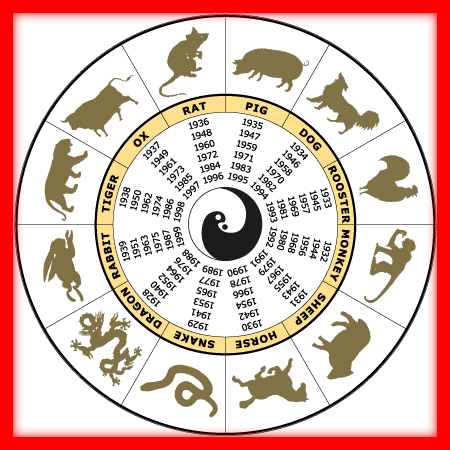
Thai 12 Year Lunar Cycle and temple

Year of the Rat -Industrious, disciplined, eloquent, shrewd and meticulous. Can be selfish, obstinate, scheming and vindictive.
Temple associated with the year of the Rat = Wat Phrataht Sri Jomtong, Chiang Mai.

Year of the Ox -Patient, steady, dependable, modest and resolute. Can be narrow minded, stubborn and demanding.
Temple associated with the year of the Ox = Wat Phrathat Lampang Luang, Lampang.

Year of the Tiger -Affectionate, impulsive, generous, unpredictable and sincere. Can be quick tempered, reckless, obstinate and selfish.
Temple associated with the year of the Tiger = Wat Phrathat Chohae, Phrae.

Year of the Rabbit -Sensitive, kind, artistic, compassionate and reserved. Can be lazy, self indulgent, moody and superficial.
Temple associated with the year of the Rabbit = Wat Phrathat Chaehaeng, Nan.

Year of the Dragon -Self-assured, passionate, proud, generous and loyal. Can be arrogant, domineering, eccentric, violent and overbearing.
Temple associated with the year of the Dragon = Wat Phra Singh, Chiang Mai.

Year of the Snake -Wise, prudent, sensual, graceful and constant. Can be self doubting, possessive, a poor communicator and a loner.
Temple associated with the year of the Snake = Wat Yed Yod, Chiang Mai.

Year of the Horse -Intelligent, talkative, popular, cheerful and astute. Can be arrogant, rude and stubborn.
Temple associated with the year of the Horse = Schwedagon Pagoda, Rangoon, Myanmar.

Year of the Goat -Peaceful, artistic, creative, gentle and compassionate. Can be pessimistic, indecisive, moody and a complainer.
Temple associated with the year or the Goat = Wat Phrathat Doi Suthep, Chiang Mai.

Year of the Monkey -Self assured, plite, dignified, inventor and a problem solver . Can be Vain, snobbish, selfish, jealous and reckless.
Temple associated with the year of the Monkey = Wat Phrathat Nakorn Panom, Nakorn Panom.

Year of the Rooster -Organised, neat & tidy, zealous, practical and decisive. Can be critical, abrasive and opinionated.
Temple associated with the Year of the Rooster = Wat Phrathat Haripunchai, Lamphun.

Year of the Dog -Honest, loyal, open minded, intelligent and straight forward. Can be lazy, pessimistic, stubborn and quarrelsome.
Temple associated with the year of the Dog = Wat Kedkaraam, Chiangmai.

Year of the Pig -Honest, patient, trusting, loyal and hard working. Can be gullible, naive and self indulgent.
Temple associated with the year of the Pig = Wat Phrathat Doi Tung, Chiang Rai.

In Chiang Mai and northern Thailand the 12th year, the year of the Pig, is sometimes substituted with the year of the Elephant.
 
eckhart tolle