Thursday, 25 September 2008

Nang Kwak Mantra


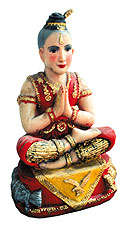
Nang Kwak (นางกวัก) Thai. 'Beckoning lady'. Female statue (Nang) with one or both arms raised and summoning with her hand(s) as if to gesture or to beckon (kwak). She invites happiness and good fortune and is often found displayed in shops to attract good business. Usually portrayed with a large purse full of money.

(simplified version)

Na-Sha-Li-Thi


(Longer Version)


Omm Pu Chao Kaow Keao Mi-Look Sau Khun Diao

Ci wa Nang KwakChaiHin Chai Rak

Yin hen Yin Tak Pa Ku Pai Kar

Teng Meng Man Kar Hua Wen Ketai Sen Tar Nan

Sam Ren Krab Pan, Ren Pian Set-Ti

Sam Pee Ren bian Sam Pau Thong

Phra Suk Teh Ka Khun Diao


Wednesday, 24 September 2008

Pidta Mantra

Pi Yo Tay Wa Ma
Nok Sa NamPi Yo Prom Ma Na
Mu Tar MoPi Yo Na Kar Su Pang Na Rang
Pi In Tar Read Yang Na Ma Mi Hung
Hit Chi Tang Pi Yang Mak Mak (3 times)

Monday, 15 September 2008

The Last Executioner

"The Last Executioner"

This story in particular stand out.

The execution of a man who pleaded his innocence right up to the last moment. He said that the real guilty party was the son of a policeman and that he was beaten into making a confession. During his execution, it looked like he was almost being saved by divine providence. When Chavoret, the executioner pulled the trigger the gun jammed and it wouldn’t fire. He checked the gun but couldn’t see any reason why it wouldn’t fire. They then set up the spare machine gun. After it was carefully aimed, Chavoret then pulled the trigger. But, this one jammed too. The prisoner might have been saved, however, a quick thinking guard decided to search the prisoner more thoroughly. They then found a Buddhist amulet called Luang Phor Daeng hidden in his right armpit. They do say that some amulets are powerful enough to protect you from bullets. Or maybe the monk, whose image was on this amulet, was trying to protect an innocent man. Anyway, once the amulet was removed the gun became unjammed and the prisoner was executed.

Saturday, 13 September 2008

Mid Autumn Festival Dinner for the old folks

The oldest Ah Ma~~Almost 100 years old

The ah kongs enjoying themselve with the food

Volunteers serving food to the old folks

Last evening I went to help out at the Dinner for those old folks from the HOME as well as those staying alone at some rental flat in Bukit Merah. This event was organised by a chinese temple who was known to help out lots of old people around that area. The medium will prescribe chinese medicine and massage for old folks who were suffering from rheumatism, arthritis and other ailment~~ FREE OF CHARGE. And we DO NOT encourage them to give donation. Sometime we also pick up and send the old folks home after each session, as transportation is expensive for some of them.


The medium conducting blessing for the old folks

The dinner was held at the Void deck, we got a caterer to come and whip up a 10 course meal for all these old folk and volunteers like us will act as waiter and waitresses. I can see that the old folks really enjoyed the sumptuous dinner and we also got some children to gives out mooncake to all these Ah Kong and Ah Ma.


Home sweet Home.. 3 buses to send them home

This dinner was not held in any expensive restaurant, neither do we have posh set up, but it's all hard work of devotees and people from the temple. We have to do everything, including the setting of tables and clearing of the place after the event, but I really found this VERY meaningful, having to serve them, helping them moving around and helping them to the bus, I just felt so touched. This is what I always wanted to do, and some people I known from other temple could have done it many years back, which sad to say, they didn't. The amount spent for the whole event = Less than S$6000/-(120 old folks) but satisfaction from doing all this is priceless..

It's good to make others happy and help the needy.

Monday, 8 September 2008

失去的友谊!

有人问我在什么样的情形下会放弃朋友,友情? 这个问题…..我想我只是凡人,我并没有要成为"罗汉"或成仙,成道的伟大理想,所以我没有很大的胸襟!我也会有我的喜怒哀乐,缘深缘浅,我当然也有我的自尊心.
朋友是不论贫富,有钱人也是人,没钱也是人,不需要用金钱来衡量.大家开开心心在一起吃喝玩乐,有福同享,有难大家一起解决.不会因为小小的误会而影响到大家的友谊.说得真好听吧!在现实的社会..难了
..


  • 有些人有异性没人性,可以为了他们的男人/女人而不要朋友.而当他们很对方吵架时,安慰与陪伴的却是我们这些没有用的朋友. 当他们最需要人安慰的时候,也就只有我们这些朋友在身边.但当他们和好时,就可以把朋友抛在一边!
  • 有些又为了钱反脸。。放心,我不会想要用这点来逃避的..没钱就没钱..至少我可以出力,只要有人会Appreciate.
  • 有些为了小小的权利斗争,来个翻脸不认人,那么爱权,当总统还是皇帝吧! 就算给你所有的权利,你是不是能够领导整个团队?你能分辨谁是真的在工作,谁又是为了自己的利益?一个耳朵轻的人,是非不分?眼睛也看不清,能做出什么大事?不要以为穿上了制服就了不起,无能就是无能,跟衣服没有关系!
  • 还有些人是那种见高就拜,见低就踩.大家都是人,不是畜牲,要懂得互相尊重.就算是一个为我们看门的工人,在一起久了,也应该有点情谊吧?不要瞧不起人,地球是圆的,会遇上的.
  • 还有谁叫我们没有钱当然没有朋友咯..如果我们住洋房,开跑车,就算是说废话,身边的跟班也会拼命点头赞好!所以醒醒吧!
  • 还有一些是无事不登三宝殿的,当他们需要人家帮忙时,就会想到要找人,不然连个影子都不见.一个可以几个月不闻不问的人,可以忽然打来,装得好象很熟,不为什么,是想要人家帮忙回答他们的问题..帮他们的忙!最受不了这样的人所以,这种友情,不要也罢了.
  • 其实最痛的是有些人不分青红皂白,自以为是,害到人家家庭不合的,害到人家身心受创的,更加不容! 有些痛是一辈子都忘不了的.
当我决定要交那么一个朋友的时候,我自问,从不会去想要结束这段友谊,毕竟,茫茫人海能够遇见是需要很大的缘分,是几世修来的福. 当对方让我彻底失望时,我就不会心软的放弃,毕竟没有什么好留恋的,人家已经不把我们当朋友了,那就算了, 何必自讨没趣. 既然他们选择放弃,只要问心无愧,失去友谊又算什么.


Sunday, 7 September 2008

坤聘经咒

Heart of Khatha Khun Paen

Nama Pa Tat Omsiti

那玛 巴 塔 嗡洗第

Sawaha Suna Mo Lo

沙哇哈 苏那 摩 咯


Khun Paen Mantra

Namotasa Bagawato Ahrahato Samma Samputatsa
那摩达沙 巴加哇多 阿拉哈多 善玛 善菩达沙 (3x)

A Hi Ma Ma Na Mo Buddha Ya Na Ma Pa Ta
阿 嘻 玛 玛 那 摩 菩达 雅 那 玛 帕 他


Saturday, 6 September 2008

Kunmantong Mantra

**(Shorter Version, suitable for travelling and meeting client.)

Namotasa Bagawato Ahrahato Samma Samputatsa (7X)
那摩达沙 巴加哇多 阿拉哈多 善马 善菩达沙

Kumalomama Aihicitang Piyangmama ( 3X ,5X , 7X)
古玛咯玛玛 依喜及当 必洋玛玛


**(Longer Version, for those with Kumantong at home or shop, for good business. Those wearing the amulet can use this version too)


Namotasa Bagawato Ahrahato Samma Samputatsa
那摩达沙 巴加哇多 阿拉哈多 善马 善菩达沙

Ciceruni Citang Cesikang Rupang Nimitang Kumalowa Ahkacaya
及姐如尼 及当 姐洗康 如旁 尼密当 古玛罗哇 阿卡查呀

Ahkacahi Ehi Ehi Namapata Ehimama Tanapoka SammaAhrahang
阿卡查那 A喜 A喜 那玛怕塔 A喜玛玛 塔那菩康 善玛阿拉航

Tanapokang Tusamani Tana Kamo Sapatanang Tanapokang Pawatumay (1X , 3X)
塔那菩康 吐沙玛尼 塔那 卡摩 沙必塔那 塔那菩康 巴湾都眉

Thursday, 4 September 2008

Temple In Hatyai


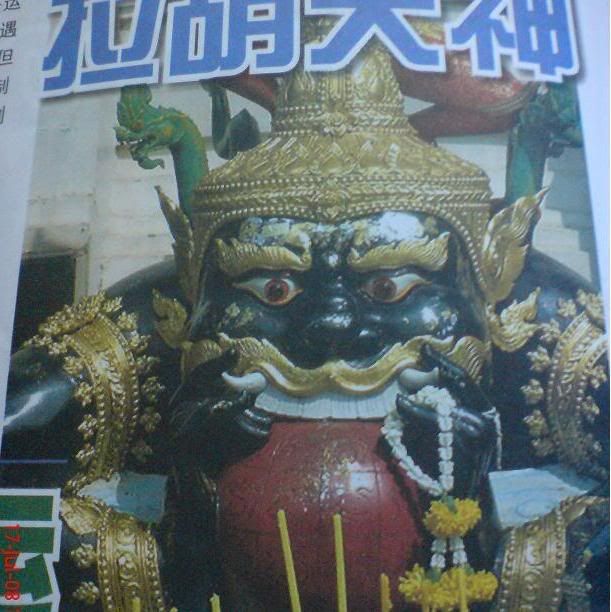
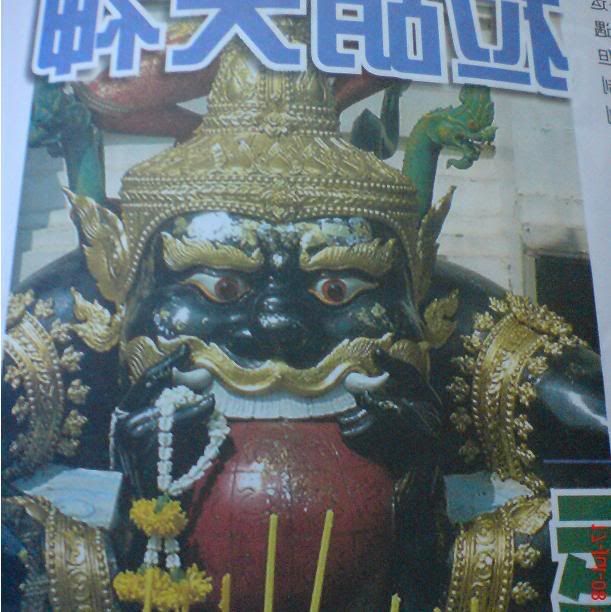
This is Wat Korhong in Hatyai, as you can see Rahu at the main entrance.

Wednesday, 3 September 2008

Ganesh Chaturthi

Tuesday, 2 September 2008

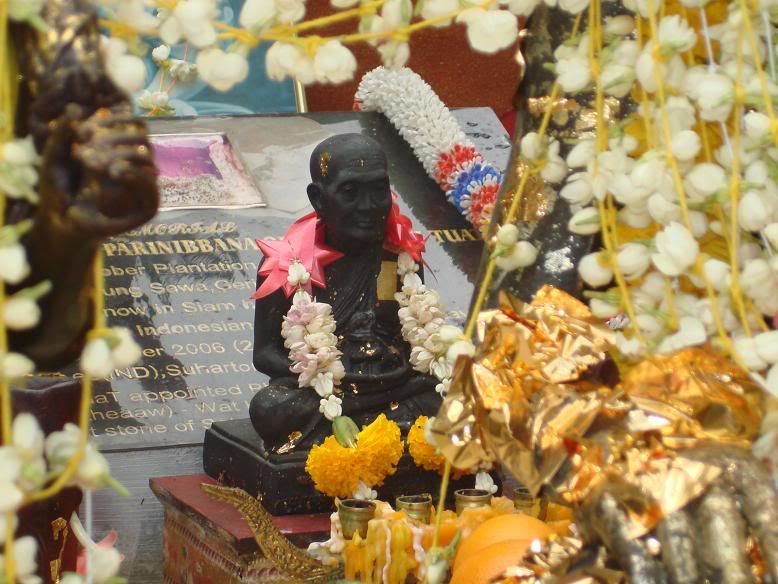
Lp Tuad Mantra ( 龙普托经文)

Namotasa Bagawato Ahrahato Samma Samputatsa
那摩达沙 巴加哇多 阿拉哈多 善马 善菩达沙

Na Mo Pho Thi Sa To
纳 摩 菩 提 沙 多

Ah Ka Ti Ma Ya
阿 卡 第 玛 呀

Ei Ti Pa Ga Va
依第 巴 卡 哇

Na Ca Li Ti
那 查 利 第 (3X)

Ganesha Chaturthi 3 September 2008

An annual festival honours Ganesha for ten days, starting on Ganesh Chaturthi, which typically falls in late August or early September. I'll be going to the temple on Wednesday, 3rd September for the prayer.
As adviced by my colleague, I'll be offering Ganesha sweets such as modaka and small sweet balls since He is often shown carrying a bowl of sweets, called a modakapātra and because of his identification with the color red, he is often worshipped with red sandalwood paste or red flowers.
In India, the festival culminates on the day of Ananta Chaturdashi, when images of Ganesha are immersed in the most convenient body of water. Devotees believe that if Ganesha is propitiated, he grants success, prosperity and protection against adversity.
Ganesha is a non-sectarian deity, and Hindus of all denominations invoke him at the beginning of prayers, important undertakings, and religious ceremonies. All these comes with the following prayer -


1) Om Shri Gaṇeshāya Namah (Om, salutation to the Illustrious Ganesha)
2) Om Gaṃ Ganapataye Namah (Om, Gaṃ, Salutation to the Lord of Hosts)

Monday, 1 September 2008

Phra Pikanet = Lord Ganesha

Ganesha Shrine in front of Isetan (Central World Plaza)


In Thailand, Ganesha is worshipped as "PhraPikanet" (พระคเณศ) or "Phra Phikhanesawora" (พระพิฆเนศวร์) and is worshipped as the deity of good fortune (Sitting Position) and the remover of obstacles(Standing position).


在泰国的佛寺及神庙都有供奉象神,他们共有两种姿势。坐形于站形:凡坐形的象神是有赐福招财的功能,而站形的象神就有伏魔镇煞消灾的功能。


PhraPikanet Mantra

Namotasa Bagawato Ahrahato Samma Samputatsa
那摩达沙 巴加哇多 阿拉哈多 善玛 善菩达沙

Om Srikanesa Yanama

嗡 喜各尼沙 雅那玛


Sunday, 31 August 2008

Mantra for Chinnarat

Namotasa Bagawato Ahrahato Samma Samputatsa (3X)
那摩达沙 巴加哇多 阿拉哈多 善马 善菩达沙
Eimayhi Nanasakalehi Ahpipu Sitayhi Tikayuko Homi
依眉喜 那那沙卡烈喜 阿必普 吸爹喜 第卡由柯 和密
Ahloko Sukito Sitikicang Sitikammang Piyang Mama
阿罗柯 苏吸多 吸第及章 吸第甘忙 必洋 玛玛
Pasitirapo Cayo Hotu Sampata Putacinaraca
巴吸第拉菩 才唷 含都 善巴他 菩塔金那拉差
Ahpipaletumang Namoputaya
阿必巴烈都曼 那摩菩他雅 (1X)

Saturday, 30 August 2008

单眼椰子啦胡

这是普通的椰子形状。


什么是单眼椰子呢? 就是拥有一个眼睛,一个嘴巴的椰子。


另一个是无眼椰的拉胡圣物。注意看,这个椰子表面连眼睛嘴巴都没有。


Thursday, 28 August 2008

Rahu Mantra in Thai

This is a picture showing the Thai scripture of Rahu mantra。


Wednesday, 27 August 2008

Rahu Mantra

Namotasa Bagawato Ahrahato Samma Samputatsa
那摩达沙 巴加哇多 阿拉哈多 善马 善菩达沙
Toramo Toramomama Toramomama
多拉摩 多啦摩玛玛 多啦摩玛玛
Kusertomama Kusertoto Lalamama
古些多玛玛 古些多多 拉拉玛玛
Toramotang Hekutimama Hekuti
多拉摩坦 喜古第玛玛 喜古第
Yattatangmama Tangtaya Tawatang
仁达坦玛玛 坦达雅 达哇坦
Mamatang Watitang Serkamama
玛玛坦 哇第坦 些卡玛玛
Kaserkang Katiyangmama Yatika
卡些刚 卡第洋玛玛 雅第卡

龙普托遗体搬运路线

这份泰国地图清楚的标志出龙普托遗体搬运的路线。起点就在沙米玛弟( Sami Mati)

Tuesday, 26 August 2008

LP SODH Mantra ( 龙普術心咒)

Namotasa Bagawato Ahrahato Samma Samputatsa
那摩达沙 巴加哇多 阿拉哈多 善玛 善菩达沙

Samma Ahlahang ( 3X or 108X)
善玛 阿拉航

Monday, 25 August 2008

龙普添(WAT Phra Kao,Ayuttaya)


这张照片是龙普添年轻时在打坐的时候,可以看见两旁各放着一具尸体。

Sunday, 24 August 2008

Putting on the Amulet(佩戴佛牌经咒)

Namotasa Bagawato Ahrahato Samma Samputatsa
那摩达沙 巴加哇多 阿拉哈多 善马 善菩达沙

Putang Ahlattatnanang Tamang Ahlattatnanang
菩当 阿拉达那浪 汤忙 阿拉达那浪

Sakang Ahlattatnanang
上康 阿拉达那浪

Putang Pasitimay Tamang Pasitimay
菩当 巴洗第每 汤忙 巴洗第每

Sakang Pasitimay (X1)
上康 巴洗第每

Friday, 22 August 2008

Mantra for Palakit

Namotasa Bagawato Ahrahato Samma Samputasa (X3)
Om Lalui Mahalalui Kanhak Naehak
Hoho Haha Hihi Eihimama

Shorter Version
Kanhak Naehak


Thursday, 21 August 2008

人缘咒

Namotasa bagawato ahrahato sama samputasa (X3)
那摩达沙 巴卡哇多 阿拉哈多 三马 三菩达沙
Meta Kunang Ahrahang Meta
楣打 坤喃 阿拉航 楣打
Use this mantra every morning when we are washing our face. First we should have a clean basin filled with water. hold the basin near your forehead and start chanting this mantra. You may want to seek HIS blessing by telling HIM to bless you for a good day.
每天我们出门或见客时,如果能用一个清洁的洗脸盆,装些情水,把盆高举在额头处,然后默念以上的经文,并诚心祈求,那么一天一定会非常顺利。

Wednesday, 20 August 2008

《貔貅的传说》

《貔貅的传说》
传说貔貅是中国古代的一种瑞兽,是龙的第九个儿子,在《史记》中追述了一个这样的故事,四千多年前,黄帝指挥驯养过虎豹、熊、罴、貔貅等猛兽的部落,在阪泉(河北涿鹿县),貔貅等神兽,帮助黄帝打败了另一个部落的首领蚩尤。除了《史记》外,中国第一部追述古代事迹的《尚书》,在《牧誓》篇中也曾叙述,距今三千多年前,周武王的部队"如虎如貔",在牧野大败商纣的军队,一直到后代,还用貔貅比喻勇猛的军士,表示战无不胜。 在道教「请神宝诰」文中,谓有一神只名讳为「先天辖落灵官王天君」,在上天除负有雷神之职,更统有百万「貔貅神将」负责天上巡视工作,飞腾云雾,号令雷霆,降雨开睛,穿山破石捉妖精,收瘟摄毒伏群魔,防备妖魔鬼怪、瘟疫、鬼魅扰乱天庭。因此「貔貅神兽」在风水上用来驱邪、挡煞、镇宅其威力是无庸置疑的。

貔貅的特点
在风水上貔貅乃是镇宅、化煞转祸为祥之神兽。最擅化解五黄煞、天斩煞、穿心煞、镰刀煞、屋角煞、刀煞、白虎煞、阴气煞《如坟场、庙宇、闹鬼地方 》、二黑病符星。 貔貅具辟邪、挡煞兼旺财三大功用。 至於貔貅为何会被拿来招财,相传「貔貅」喜爱金银财宝的味道,常咬回金银财宝来讨主人的欢心,另一说法是其曾触犯天条,玉皇大帝罚他只能以四面八方的金银财宝为食,且只能吃不能拉,所以貔貅肚子就是一个聚宝盆, 因而「貔貅神兽」有旺财的功用,同时还能催旺官运。

貔貅的功能
一、在外若冲煞到或卡到阴,回到家入门,附身阴煞见到貔貅神兽,立即逃之夭夭。
二、当阳宅遇到上列煞气,致家人居住不安、损人破财家庭不合、车祸、血光、开刀、 离婚等…….貔貅镇之保平安。
三、做生意或从事业务推销工作,若有生意机会,可请求貔貅神兽帮忙,咬住任何的生意机会,并促成买卖交易顺利,生产平安,收款顺利。
四、貔貅神兽另具有驱邪除妖,收瘟摄毒,伏群魔的威力,因而亦可请其预防六畜瘟疫等。 如何使用貔貅 貔貅招财,可以将貔貅公母一对放於阳宅之财位上,貔貅最大的特点是他没有肛门,金银财宝只进不出,因此他有主偏财、旺正财之功效。凡是财运不佳之人,貔貅会帮您出去招财,会咬金银财宝回来讨主人欢心,因为他对守财很有一套,所以您也可以将貔貅摆放於收银台上或是保险箱上,让他帮您紧紧看住收进之钱财。而镇宅之貔貅只需将貔貅头朝外或是朝煞方安置就可以。

Friday, 8 August 2008

小寓言大智慧 (二)

用人之道

去过庙的人都知道,一进庙门,首先是弥陀佛,笑脸迎客,而在他的北面,则是黑口黑脸的韦陀。但相传在很久以前,他们并不在同一个庙里,而是分别掌管不同的庙。弥乐佛热情快乐,所以来的人非常多,但他什么都不在乎,丢三拉四,没有好好的管理账务,所以依然入不敷出。而韦陀虽然管账是一把好手,但成天阴着个脸,太过严肃,搞得人越来越少,最后香火断绝。佛祖在查香火的时候发现了这个问题,就将他们俩放在同一个庙里,由弥乐佛负责公关,笑迎八方客,于是香火大旺。而韦陀铁面无私,锱珠必较,则让他负责财务,严格把关。在两人的分工合作中,庙里一派欣欣向荣景象。其实在用人大师的眼里,没有废人,正如武功高手,不需名贵宝剑,摘花飞叶即可伤人,关键看如何运用。


河边的苹果

一位老和尚,他身边聚拢着一帮虔诚的弟子。这一天,他嘱咐弟子每人去南山打一担柴回来。弟子们匆匆行至离山不远的河边,人人目瞪口呆。只见洪水从山上奔泻而下,无论如何也休想渡河打柴了。无功而返,弟子们都有些垂头丧气。唯独一个小和尚与师傅坦然相对。师傅问其故,小和尚从怀中掏出一个苹果,递给师傅说,过不了河,打不了柴,见河边有棵苹果树,我就顺手把树上唯一的一个苹果摘来了。后来,这位小和尚成了师傅的衣钵传人。世上有走不完的路,也有过不了的河。过不了的河掉头而回,也是一种智慧。但真正的智慧还要在河边做一件事情:放飞思想的风筝,摘下一个“苹果”。历览古今,抱定这样一种生活信念的人,最终都实现了人生的突围和超越。

Thursday, 7 August 2008

神奇的佛牌

看到了两篇有趣的新闻,与大家分享。但是我要在此申明,并非在鼓吹大家迷信,也不是在告诉你们有带佛牌就可以做坏事,就可以刀枪不入!绝对没有这回事!佛牌是保佑我们平安,前提是我们不能做坏事,不然佛都不会帮我们的。

据说,泰国曾发生一个黑道老大被人围杀是,因为黑道老大身上戴了很多佛牌,对手数次暗杀都失败。终于有一次,杀手拦阻到了他,枪杀了他的保镖司机,把它拖下了车,扯掉他的护身佛牌后,一群杀手对着他身上连开数枪,想就地将他乱枪打死,但是太神奇了,子弹竟然都打不进去,最后由一枪是朝着正中天灵盖打,才将他击毙。
黑老大倒地吐血而死时,佛牌从口中吐了出来,大家才知道原来他已先将一块佛牌含在口中。

还有一篇是说泰国的一名警察,法医,还有检察官,有一天开车途中遭黑道伏击,凶手持M16,连开120枪扫射车上的人。车上的法医和检察官均身中数枪当场死亡,只有那名警察,仅在身体造成数个红点淤血!为什么呢?因为他佩戴了佛牌,子弹无法击入身体。神奇吧!信不信,因人而异,就当是在阅读一篇童话故事吧!

这些故事,某些我是相信的,在我身边的确有人因为佩戴佛牌而发生了不可思议的事,当然没有刀枪不入那么厉害,但至少当时的确是因为有那个护身佛牌让他躲过了一劫,就那么神奇地同一地点,大家都被劫了,只有他没事,为什么劫匪没看见他?奇怪吧?至少那时他保住了性命和财物,虚惊一场!还有一个人,在泰国的路上开车,打瞌睡,差一点就撞车了,迎面而来的大卡车竟然从他身边闪了过去,只因为他车上有一尊佛像在紧要关头,叫醒了他!

当然因为我不是卖佛牌的,所以我不会再这里告诉大家那是什么佛牌。

Wednesday, 6 August 2008

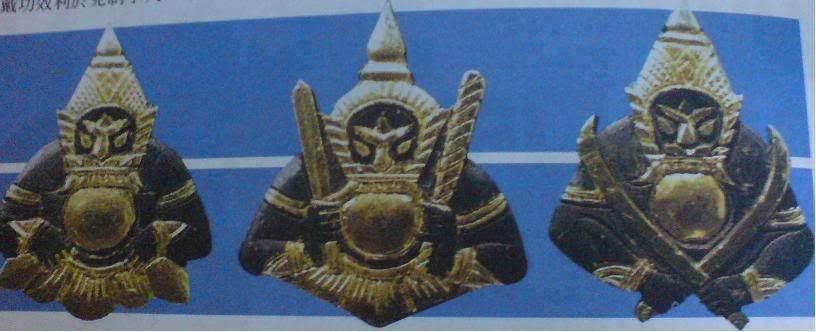
泰国符咒~Takrut

【符】,在华人的社会,不再世陌生的护身物了,尤其是东南亚的华人,无论是佛教或道教,都有他们个别的灵符。有些符是让人们贴在大门,有些事折成三角佩戴在身上。它们的作用是什么?不外是避邪挡灾,保佑我们平安,让我们有人缘,财运,家庭和谐。
【符】的相传历史从道教,佛教,婆罗门教导现在,已经有三千到四千年,在这漫长的时间里,人们对符咒的信任与其灵验的功能,依然不减当年。可想而知不论它是一块布,铜片或其他形状,这个开光诵经后的圣物,带给人们太多的好处。

泰国的符咒,除了用布书写或印刷而成最盛行的莫过于用金属片或锡片所制成的符卷。人称[TAKRUT]. 有些人会把它镶起来用项链佩戴,有些则选择绑在腰间。我曾经就把它扣在钥匙圈里。TAKRUT不想佛牌所以比较没有太多的禁忌,所以如果有师傅给你TAKRUT,只要记得它就是等于我们熟悉的“符”你就知道要如何利用它来保平安了!

Thursday, 31 July 2008

随想 (二)

不属于你的东西你 怎么都得不到。每个人都是独特的自己 没必要和别人比较在这个世上

只有自信永远陪伴着我们 辛辛苦苦去寻找的东西 往往就在我们身边

等待是一种经历 学会等待才能懂得幸福

我们自身的价值 源于对自己的认识

世间最容易的事 往往也是最难做的事 只要有足够的耐心

总能得到自己想要的 不必去羡慕他人 只需做好我们自己

自高自大的人 终究会露出破绽 在遇到危险时 菩萨往往就在我们身边

在没弄清事情真相前 不要妄下定论

不要看轻自己 要知道自己的价值所在

Friday, 25 July 2008

Wat Traimit 金佛寺传说


约在七百多年前,佛寺所在地本来颇为荒凉,后来华人逐渐聚居。他们把扔在慌山上,无人肯要的佛像雇车搬了回来。搬运时,佛像可拆卸成九节。几经周折,运抵寺后,佛身有一块铁壳掉下,露出里面金光闪闪的金身。把所有铁壳敲掉后,金光闪闪的完整佛身露了出来,因此名闻全国,后来人们才把该寺名为金佛寺。


另有一传说,这尊金佛建造於素可泰王朝,是泰国素可泰时代的艺术品,后来敌人入侵,为了防止金佛被当时外来入侵者掳走,爱国志士在其身上涂满灰泥,埋在土中达三百多年,后来被发掘出土,但因佛身涂了灰泥,不够美观,被供奉在湄公河岸的一间旧庙。后因庙址改建为仓库,在搬运金佛时不慎摔了一下,佛身灰泥脱落,显露出一尊形态栩栩如生的金佛,逐成为稀世珍宝,并运到曼谷寺内供奉,让信徒门膜拜顶礼。


此金佛是一尊有大约60%含金量的如来佛像,重5.5吨,高4米,盘坐的双膝相距约3米。佛寺位于曼谷唐人街。


Thursday, 24 July 2008

柬埔寨圣僧

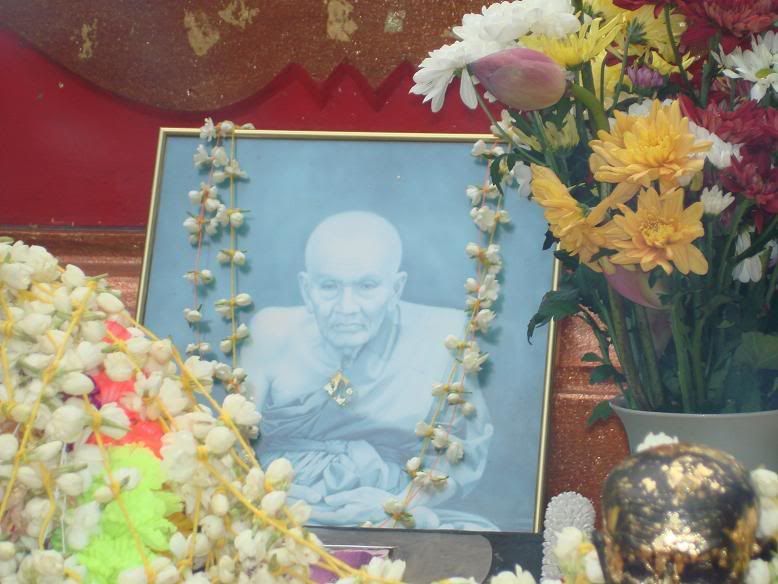
This is a picture of LP Hong at the age of 60.
龙普宏60岁修苦行戒律时所摄

Wednesday, 23 July 2008

Legendary Khun Paen

Khun Paen lived between 1491-1529. He was born in Suphanburi Province (some 70 km. northwest of Bangkok) but grew up in the close bordered Kanchanaburi Province, where the world wide well-known "Bridge over River Kwai" situated.


He was a disciple of Arjarn Kong, a magic-expert guru monk, for magical studies.


Based on old legends, Khun Paen was handsome and very attractive to ladies.
It's so he had many wives, and still many ladies fell in love with him. Khun Paen had magical knowledge. He used magic to make himself invulnerable and unseen to enemies, to change the marching track of the enemies to become labyrinthine field, and to change leaves of the tree to become wasps to sting enemies etc.By his skillful fighting, he was appointed by the king to be Khun or a high ranking military officer.

Once he was ordered to attach the city. The king of that city was the father of his second wife. She wanted to ask Khun Paen to stop attach her father's city but Khun Paen refused. His second wife tryed to poison him but got discovered by Khun Paen, he was very angry & took out a sword & kill her. But then he found out his wife got his baby, he felt vey sorry about it, then he took out the baby corpse from her body & burned it into a dry corpse. He then take this corpse with him wherever he went. He won all the war afterwards. In that time, people believed a dead baby corpse can help everything success. And that's how Gumangthong was found.

Khun Paen had wanted a protective spirit to watch over him in battle. To this end he cut the unborn foetus of his son from his dead wife’s womb and took it to a temple to perform an occult rite.

He wrapped the child’s torso in sacred cloth and roasted it on a fire whilst chanting ritual mantras and dark incantations to create the supernatural being with whom he could communicate.


His biography was far more extended and rather a fictitious story by poetic authors of the early Rattanakosin period or some 180 years ago. His baby-ghost son named Guman Thong, he used magic to create him from a dead baby in the dead Bua Klee's womb. Bua Klee was a Khun Paen's minor wife.

From the end of Ayutthaya legend, Khun Paen was one of best warlord. He was very clever in fighting, spell and flirt. Khun Paen had magic spell. He fosters ghost such as Hong Prai and Guman Thong. He was successful in Nirvana katha. Also, he was successful in the top of soul knowledge.
Tuesday, 22 July 2008

Picture of LP Hong


Mantra of LP Hong:
Namotasa Bagawato Arahato Samma Samputasa ( 3 times)
Na May Ti Pa Ca Ka (9 times)

Sunday, 20 July 2008

Rahu


古曼童传说(二)

坤平将军杀死妻子后,剖开妻子的肚子取出胎儿,并将胎儿带到一间庙里。他升起一堆火,然后将胎儿的上半身用写有经文的布包起来,放在火上烤,直到胎儿的尸体变小,完全变乾。
整个过程中,坤平一直在念诵经文,当整个仪式结束,胎儿即变成一个可以和他说话交流,活蹦乱跳的灵魂,坤平于是为他取名为『古曼童』。后来,坤平在战争中每当遇到危急关头,古曼童就会出来帮忙,在那个使用武器打仗的年代,坤平用灵魂的法术来作战,因此百战百胜,所向披靡。

古曼童的传说一直流传到今天,在泰国就有一个僧人因为偷小孩的尸体来烘烤而被捕。其实很多高僧认为除了这样的方法,其实还有其他可以召唤古曼童灵魂的方法,起关键在于要完全的集中意念,并且不停地念诵经文。

古曼童是受过佛教洗礼的正灵,绝不害人,所以只要意识纯真,没有害人之心,供养古曼童,不但不必害怕,反而会为你带来益处。反之,如果供养者利用其来行恶,不但不会成功,反而会使自己的主运大下而自食其果,最后大祸临头而得不偿失!

Saturday, 19 July 2008

Luang Pu Tuad Temple @ M'sia, Part 2


古曼童传说(一)


关于古曼童的由来,传说古曼童多是由泰国高僧或高深修行者所收养的童灵。这种童灵都是由于父母用各种不正当手法,如:堕胎,吃药及其他手段,把一个本来可以平安出世的胎儿弃掉,而市使胎儿的魂魄四处漂泊,被其他邪灵,魔怪欺负。高僧行者有见于此便大发慈悲之心,施法招魂,然后把这些流离失所的小孩魂魄注入金身内,并用佛法感化他们,又教会他们顾家,招财,运财达法,主要是与领养者结善缘。反之,如果以古曼童来做坏事就必定会有恶报。

Venerable Luang Pu Hong

Venerable LP Hong
LP Hong @ Age 60

Friday, 18 July 2008

須3和尚才搬得動‧2龍普托金身被偷

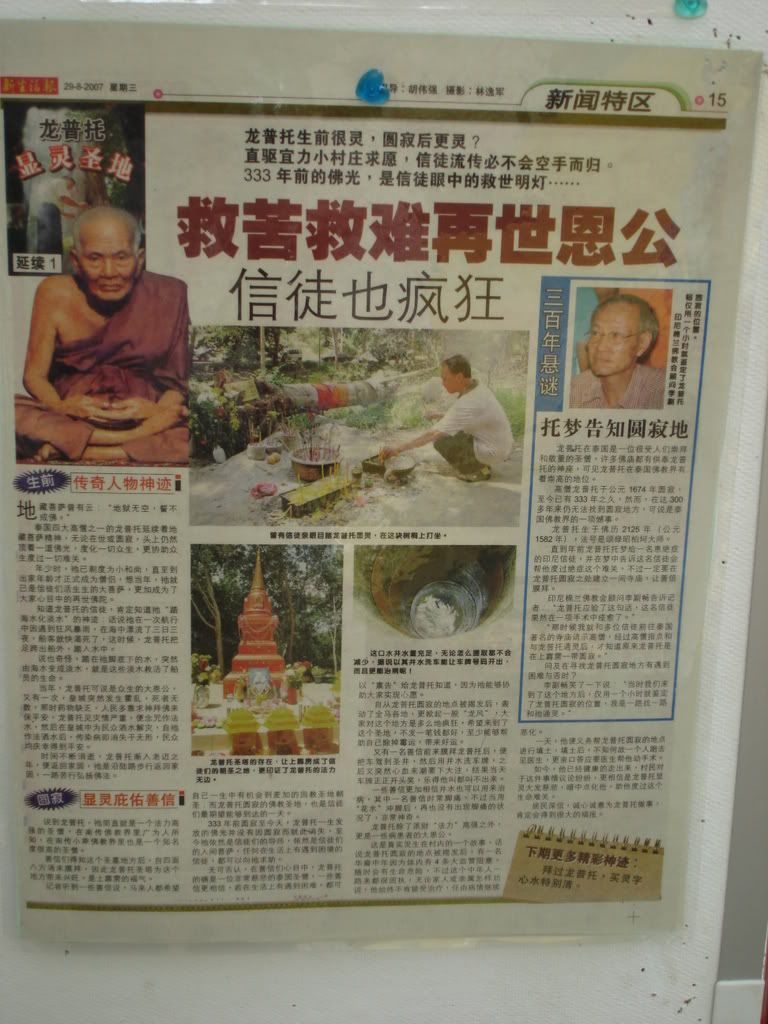
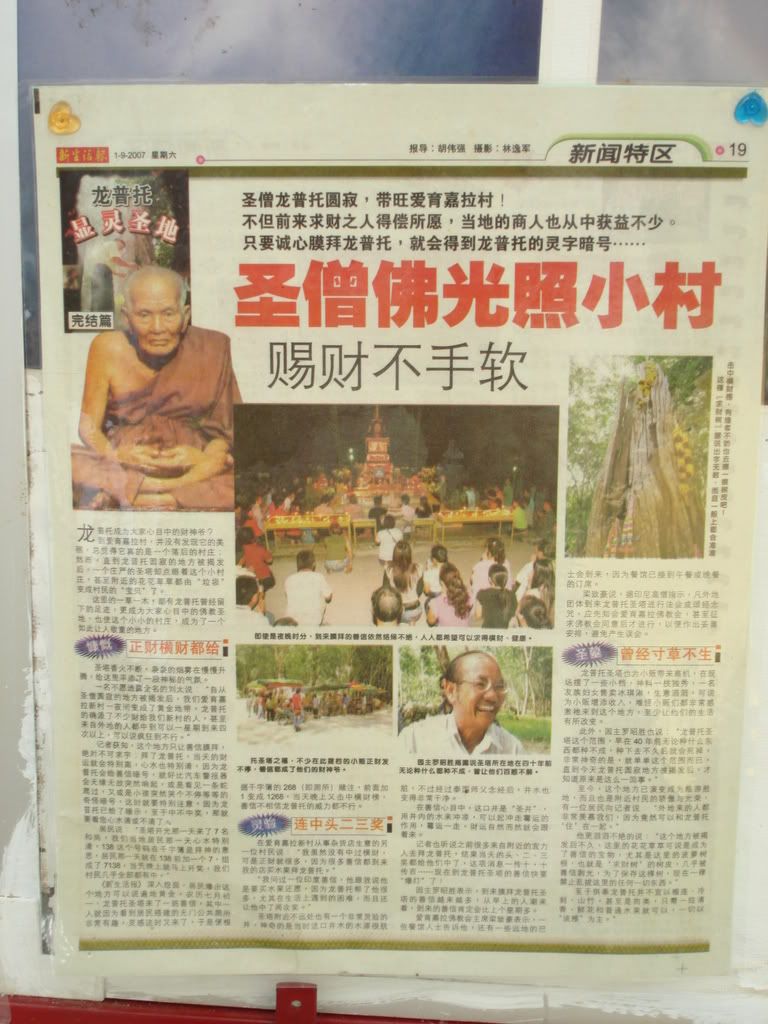
霹雳·宜力讯)安奉在爱育嘉拉龙普托圣塔的2尊龙普托金身和一个铜香炉失窃,估计损失逾10万令吉。品质优良的龙普托坐像由善信报效,需要出动3名和尚才能扛得动,故相信造案的宵小超過一人。园主羅昭勝(55歲)稱,他於周五(21日)晚上11點多离开龙普托聖塔,直到隔天早上7點才回來,不料卻發現圣塔的龙普托銅制坐像和塔前一個銅制大香炉不翼而飞,另一尊安奉在圣树神桌的佛像也不见了。

獅城台灣人也膜拜
他說,賊徒也偷走2個陶瓷大花瓶。“我將與愛育嘉拉佛教会負责人讨论,计划在午夜12点后上锁篱笆門,直到翌日天亮才开放,以避免偷窃事件重演。”愛育嘉拉龙普托圣塔於今年5月29日,由馬泰印3国共14名和尚联合主持开光大典,來自国內各地的善信闻訊而來,泰国、新加坡和台湾信徒也組团前來膜拜。龙普托聖塔四周也围起共有5道門的篱笆,24小時开放让善信膜拜。

光明日報‧2007.12.23

( 唉。。难道把他偷回家就一定会让你如愿以偿,为什么那么自私,好好的一个地方就让那些自私自利的人给破坏了,神也好,佛也好,都是属于大家的,非法占为己有我想菩萨也会不高兴的。。罪过。。罪过。。)

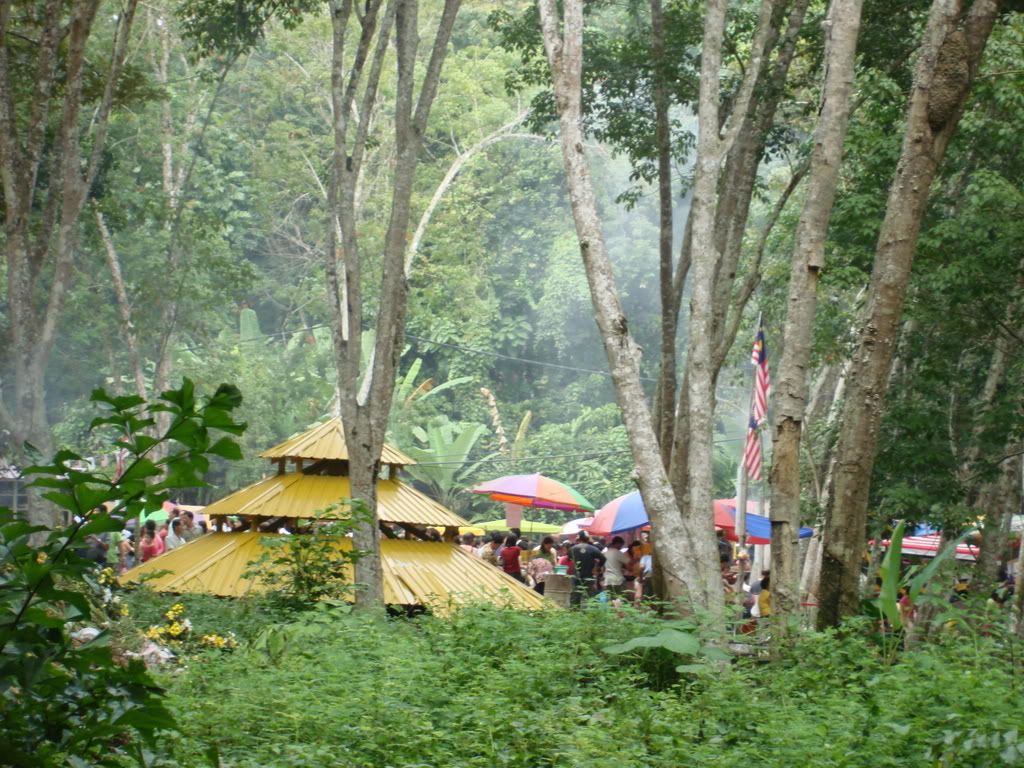
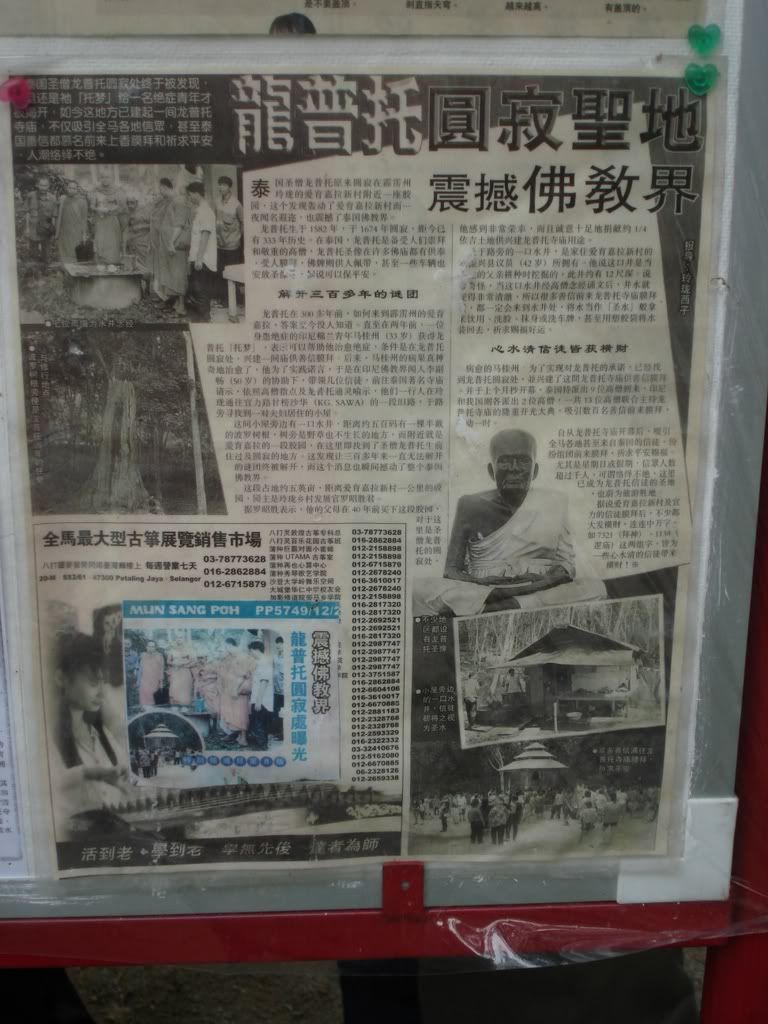
爱育加拉龙普托圣塔


兩年前,印尼棉兰龙普托的一位信徒,不幸患上了絕症,他日夜祈求龙普托保佑,希望他的病能医好。一個晚上,他梦见了龙普托,並对他說:“我会助你渡过难关,但你病好后,一定要在我圆寂之处建立一間寺庙,让众善信膜拜。” 果然,他所患的绝症,不久便在一項手術中成功治癒了。他沒有忘記對龙普托的承諾,但卻不知要如何才能找到龙普托圆寂之处,他請教對龙普托有深入研究並且跟泰国高僧有密切來往的棉兰佛教界闻人李副暢(50歲)在李副暢的帶領下,印尼棉兰有好几位信徒,往返馬、泰、印三地,寻找龙普托圓寂之地。

他們首次前往泰国的一間著名寺庙時,不待他們開口,庙裡的高僧便已知道他們的來意,並告訴他們龙普托是在马來西亞上霹靂一帶圓寂的。 之后他們依高僧所說,沿著一段旧路,看到路旁胶园有一間简陋的小屋,屋旁有一口水井,住著一對夫妇,通过這對夫妇終于确定了圣僧龙普托圆寂的地点。

龙普托于1674年圆寂,至今已有333年,但其金身(圆寂火化之地)一直无法寻获,三百多年来无法解开的谜终于解开了,这项消息也震动了泰国佛教界,因此该庙在5月29日开光时,泰国特派出9位高僧到来,而印尼和马国则各派出2位高僧,共有13位高僧为该庙主持隆重的开光大典。

Wednesday, 16 July 2008

小寓言大智慧 (一)

“刺猬”法则
森林中有十几只刺猬冻得直发抖,它们只有紧紧地靠在一起,才能取暖,但它们因为忍受不了彼此的长刺,很快就各自跑开了。可是天气实在太冷了,它们又想靠在一起取暖,然而靠在一起时的刺痛,又使它们不得不再度分开。就这样反反复复地分了又聚,聚了又分,不断在受冻与挨扎两种痛苦之间挣扎,最后,刺猬们终于找出了一个适中的距离,可以让它们相互取暖而又不至于被刺伤。
大智慧:“刺猬”法则阐明了一个简单的道理:同事之间不可太过亲密,心灵可以是贴近的,但行动要注意保持距离。领导者要搞好工作,应该与下属在心理上保持亲密关系,这样做可以获得下属的尊重,同时还要注意与下属保持行动上的距离,避免在工作中丧失原则。

抉择

一个农民从洪水中救起了他的妻子,他的孩子却被淹死了。事后,人们议论纷纷。有的说他做得对,因为孩子可以再生一个,妻子却不能死而复活。有的说他做错了,因为妻子可以另娶一个,孩子却不能死而复活。我听了人们的议论,也感到疑惑难决:如果只能救活一人,究竟应该救妻子呢,还是救孩子?于是我去拜访那个农民,问他当时是怎么想的。他答道:“我什么也没想。洪水袭来,妻子在我身过,我抓住她就往附近的山坡游。当我返回时,孩子已经被洪水冲走了。”

归途上,我琢磨着农民的话,对自己说:所谓人生的抉择不少便是如此。

Tuesday, 8 July 2008

欺善怕恶

世间上的人,有善人、有恶人;世间上的事,有好事、有坏事。善人做好事,容易被人欺负;恶人做坏事,

总能令人畏服。
善人做好事,虽然被欺负、被压迫、被为难,这只是一时的,最后善人终会胜利,不会被人打倒;

恶人做坏事,有人怕他、帮他、随他,这也是一时的,最后恶贯满盈时,即使没有人去打倒恶人,

恶人也会自己倒了下来。有的时候,善人做好事却遭遇不幸;有的时候恶人做坏事,却是荣华富贵。

其实,所谓「善有善报,恶有恶报;不是不报,时候未到。」因果不能只看一时.

有一个寓言故事说,有一恶人过河,因桥被水冲走,便将庙里的木雕神像扛来做桥,垫脚而过。

事被一位善士所见,不禁直喊:罪过!罪过!怎可如此亵渎神像!於是赶快把神像送回寺院,

并且供以香花、水果。这时神像却开口要求善士添油香,善士质问道:「恶人毁坏你,你不责怪他;

我保护你,你怎可反而要我添油香呢?」
神像说:「因为他是恶人,我何必惹他?因为你是善人,我怎可不叫你做好事呢?」

所以,做好事的人,心里要有准备,更要有正确的认识;因为行善看起来是吃亏,

但最后总是会得到好报的。所以,做好事的人不要灰心,因为天理昭彰,善恶好坏,因果必然是丝毫不爽的!


源: 迷悟之间


Thursday, 26 June 2008

平时要烧香

俗语说:「平时不烧香,临时抱佛脚。」有的考生平时不用功,到了考试的时候,才加紧开夜车;
也有一些做生意的人平时没有结交善友,不肯与人结缘,到了要做事的时候,才急著到处求人,
向人拜托。
所谓「平时不烧香,临时抱佛脚」,就是意谓著:春天不播种,秋来那能有收成呢? 
话说有一个长工,看到主人拥有一尊金佛,每日礼拜,心中慨叹自己无钱,连想要拜佛都没有机会。
有一天,趁著主人不在家,自己悄悄的走到佛像前面礼拜。但是事有不巧,被主人看到了,
而且厉声责骂他:「你有什么资格拜我的金佛?」长工不得已,后来在砍柴的时候利用一根木材,
他就动手刻了一尊佛像,供在自己简陋的住处礼拜。当主人发觉他的家中人来人往,
原来大家都到他的家里礼拜木佛。主人非常生气与嫉妒,声言要让金佛与木佛比斗。
当比赛开始后,初时两佛推挤,势均力敌;但过不了多久,金佛渐渐屈居下风,
终至不敌木佛而倒地不起。主人就责怪金佛:「为什么你连木制的佛像都不如?」
金佛说:「主人呀!你看那一尊木佛,每天有多少的信徒带著供果前往上香礼拜,
他受了那么多的香火,自然力气充足;我虽然是金佛,但是你每天都没有礼拜供养,
所以我敌不过木佛而不支倒地,这是再自然不过的事了,你有什么好奇怪的呢!」  
这虽然是一则笑话,但说明凡一件事的成败,都有它前面的因缘。你平时用功读书,
自然就能金榜题名;你平时勤劳耕种,当然秋冬必定能丰收!你平时结缘助人,必要的时候,
别人也会成为你的助缘。
甚至即使是佛祖,也要靠平时的烧香供养:
有烧香礼拜,即使是木佛,他也能胜过金佛呢! 
来源: 迷悟之间

Wednesday, 25 June 2008

朋友四类

古人说:「近朱者赤,近墨者黑。」又说:「人和人好,鬼和鬼好,苍蝇和烂腿好。」所以交朋友很重要,结交什么样的朋友,对自己的一生往往产生难以估量的影响,因此不能不慎。
什么人才是我们应该结交的好朋友呢?孔老夫子说:「友直、友谅、友多闻。」什么是坏朋友呢?孔夫子也说:「友便僻、友善柔、友便佞。」邪曲谄媚、吃喝玩乐的朋友,没安好心,不值得交往;朋友之间,要能学习、效法,才是益友。
尤其,朋友之交贵在知心,自古以来,所谓交友,要交知心的朋友、要交肝胆相照的朋友、要交患难与共的朋友、要交推衣解食的朋友、要交有侠义心肠的朋友,千万不要结交酒肉朋友

在佛教的《孛经》里,提到朋友有四等,所谓「有友如地,有友如山,有友如花,有友如秤
」,此中好的有两等,坏的也有两等:
  • 有友如花:如花的朋友,好看时把你戴在头上,不好看的时候就把你踩在地下,这是一种势利小人,不能同甘共苦、患难与共,跟这种人交朋友,他只会利用你,于他有用则交,无用则拒,所以交到如花的朋友,都是短暂的,不能友谊长存
  • 有友如秤:秤,称之为「度量衡」,可以等量轻重,这种朋友,当你富贵贤达的时候,他就看重你;当你没有功名富贵以后,他就看轻你,完全不看重你的道德、人品、智慧,只是以小人的势利眼来观察你,就如秤砣一样,你重他就低头,你轻他就昂首,所以这也是一种不能平等相交的朋友。
  • 有友如山:好朋友要像高山一样,友谊坚固。你看,一座高大的山林,有许多树木花草,才能成为丛林,山里藏着各种野兽,上面有飞禽聚集,如山的好朋友就是有德、有学,有生死不异的涵容修养,因此飞禽走兽、各种人等,都欢喜归向于他
  • 有友如地:大地能普载万物、能生长万物、能储藏万物,所以交这种如地的朋友,他自己谦卑低下,容许我们获得他的资助、好处,他帮助我们成长,关怀、包容我们的一切,并且无怨无悔的付出,从来不会嫌弃我们。但是,如果你作孽太多,他也会生气而天摇地动
人生不能没有朋友,我们应该结交什么样的朋友呢?以上如花、如秤、如山、如地的朋友,可以做为我们择友的参考

来源:人间福报


Enrich your blog with Windows Live Writer. Windows Live Writer

Monday, 23 June 2008

闲话

闲话,既曰「闲话」,有时是一种废话、空话、谎话,甚至是杂话、脏话、烂话、坏话、假话,所以归纳曰「闲话」。  
一句闲话,很好的朋友可能因此结下永世的仇恨; 
一句废话,本来无事,可能惹下无边的风波; 
一句坏话,可能破坏了多年建立的同事情谊; 
一句空话,可能让人看清你的价值多少; 
一句谎话,可能让人鄙视你的人格,不耻你的为人。  
最好的语言,就是不说!然而不说,太过消极。人应该积极的说好话,说善良的话,说慈悲的话,
说赞美人的话,说成就人的话。  人,有喜欢说闲话的习惯,闲话必然会惹来不可想像的结果,
所以孔老夫子说:不当说的不说,不当看的不看,不当听的不听,这就聪明多了
我就认识了那么一对夫妇,女人到自己的目的,破坏了男人和朋友之间的,开始我很愤怒
,为什么要为了圆谎而去害人,但事后我想,真正要怪的是那个宁愿相信她也不睁开眼睛看清楚
的男人,我们应该同情那因她而去怀疑自己朋友的可怜虫.今天的我们,并没有因为失去这段
友谊而感到难过,因为他们不值得我们去在意了, 对他的关心,也在2006年的六月随风而逝 . 
我们看今日的社会人士,聪明的人都是想过以后才开口,愚笨的人则说过之后才回想。
想和说应该有先后的次序,先想后说,想好了再说。尤其,一个人应该知道,当说话的时候要说,
不当说话的时候要沉默。说话最大的罪恶,就是说无意义的话,说不知强为知的话,
尤其造谣诬人,更是罪大恶极。冷饭冷菜好吃,冷言冷语令人听了难受。
所以,闲话之外,应该多说实话、真话、有用的话,能说有建设性的话,才有价值。
来源: 迷悟之间

Rahula, Son of Gautama Buddha

Rāhula (b. c. 534BC) was the only son of Siddhartha Gautama (Pāli: Siddhattha Gotama), and Princess Yasodhara. He was born on the same day that Prince Siddhartha Gautama left the palace to seek Enlightenment and later become the Buddha. He was named Rahula by his grandfather because the first word Prince Siddhattha said on hearing about the birth of His son was Rahu, which means obstacle.
Accordingly the child was named Rāhula, meaning "fetter", recognizing that the child could be a tie that bound him to his wife Yasodhara and the comforts of the life of a householder.
In the Dhammapada, the pleasure and joy that a man receives in his wife and children is called a 'soft fetter that ties individuals to life and suffering, not just through eventual loss and separation of loved ones but more deeply and subtly may act as ties to cyclic existence (samsara).
Rāhula was raised by his mother and grandfather, King Suddhodana. When he was seven years old, the Buddha returned to his home city of Kapilavatthu at the request of his father who missed him dearly. On the seventh day of his return, Yasodharā took Rāhula to see his father, the Buddha. She told Rāhula that since his father had renounced the palace life and as he was the next royal prince in line, he should ask his father for his inheritance of crown and treasure for his future sake when his grandfather would no longer rule the kingdom.
After the meal, Rāhula followed the Buddha, saying �� "Give me my inheritance." Nobody tried to stop him, nor did the Buddha prevent him from following Him. He then looked at his father and said, "Lord, even your shadow is pleasing to me."
Reaching the Park of Nigrodha, where the Buddha was staying, the Buddha thought to himself: "He desires his father's inheritance, but it is wrought with troubles. I shall give him the benefit of my spiritual Enlightenment and make him an owner of a transcendental inheritance."
The Buddha called Venerable Sariputta and asked him to
ordain little Rāhula who became the first Samanera (novice monk).
Shortly after Rahula's ordination the Buddha taught him the importance of telling the truth. This discourse is known as theRahulovada Sutta. The Buddha placed truth as the highest of all virtues. The seekers of Truth, (those who have as their goal Nibbana) should not break the precept of Truth.
Rāhula subsequently became one among the many arhants through following the Buddha's teachings.
Rahula passed away before the Buddha, Sariputta and Moggallana. The Buddha declared that Rahula was foremost among the monks for his high standard of discipline and obedience. Rahula, who had entered the order at the tender age of seven, was a role model for the younger members of the Noble Order through his obedience and pleasing nature.

Thursday, 19 June 2008

TIBETANS RAHULA

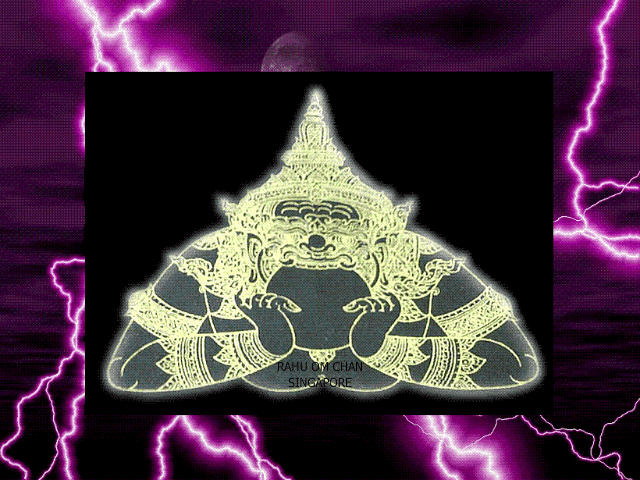
Rahula is known to Tibetans simply as Za. He is half serpent and half humanoid. The lower part of his body is coiled and his upper body is dark red and covered with a thousand eyes, all of which glare balefully. In the pit of his stomach is a cavernous mouth which, with the eyes of his upper body, give the feeling that his whole torso is a massive glaring face. He has nine heads, arranged in three tiers of three, each with three bulging eyes. A great breath of sickness is believed to issue from their fanged mouths. From the crown of the topmost head issues the black, cawing head of a raven.
A human skin is draped over his back. His principal weapon is a bow fashioned from a venomous serpent. In his remaining left hand he holds a writhing sea-serpent and the right holds a goad which guides us to righteous action.
According to ancient Indian mythology, Rahu (Rahula) was a titan who disguised himself and tried to steal the nectar of immortality from the gods. The sun and the moon both exposed him to Vishnu who promptly cut off his head. It is believed that Rahu avenges himself by periodically swallowing up the sun and the moon, thus causing eclipses. He is hence known as the Lord of Eclipses. Indeed with its myriad eyes his dark body is reminiscent of the starry night sky. The gaping mouth in his belly symbolizes his swallowing-up of sun and moon.
Esoterically, with his believed links extending into the depths of the cosmos, Rahula is traditionally invoked to avert negative astrological circumstances.

Wednesday, 18 June 2008

Rahu Festival at Adelaide


Always-on security tools provide safer ways to connect and share anywhere. Find out more. Windows Live

Rahu Chab Chann

When the moon underwent a partial eclipse on July 5, you may not even have noticed.
Many young Khmers, too, went on with their daily lives as if nothing was happening
But for many older Cambodians, especially those in the countryside, the implications are far reaching. They believe that the night time lunar eclipse that occurred on July 5 between 8.30 and 10.57pm may shape their lives for months to come.
The scientific explanation of an eclipse is an obscuring of light from one heavenly body by another. A lunar eclipse occurs when the earth blocks the sun's light from the moon.
But in Khmer, the eclipse of the moon is called Rahu Chab Chann. Rahu (pronounced Reahou in Khmer) is the king of all demons and evils, chann means moon and chab means to catch or swallow.

 
Rahu appears in both Brahmanist and Buddhist legend.
Rahu, or Rahu a'surin, rides through the sky on a silver chariot. Rahu is a being which exists like a mask _ he has no body, just a head with round bulbous eyes, a human or sometimes a lion's nose, and claw-like hands.
Rahu causes eclipses by seizing and swallowing the sun and the moon. They eventually reappear from inside his throat, thus ending the eclipse, but the battle is never ending and Rahu immediately resumes his quest to eat the sun and moon once more.
His picture is commonly found over the lintels of both Hindu and Buddhist temples.
One of the most striking portrayals of this powerful spirit can be seen in Takeo Province, on the old concrete portico of Banteay Trav Pagoda, on National Road 2, just between Tonle Bati Resort and Phnom Tamao Zoo, about 30 km south of Phnom Penh.

 
Rahu serves a protector of the temples. His picture is also often found above doorways of traditional Khmer houses, as a reminder of his terrible powers and to protect the inhabitants. What better way to keep the ordinary demons and devils from the door than to have their king sitting above the doorway?

To traditional Khmers, the eclipse is a time of mixed emotions. On the one hand, it is terrible to see the moon or sun devoured by a demon, perhaps never to return. On the other, the length of the eclipse can signal good harvests to come or bad. Believers in the power of Rahu and eclipses says "There are three ways to read an eclipse,"
"If Rahu swallows the moon but quickly spits her out, we believe that farmers will enjoy a very good harvest of rice and secondary crops.
"We will have a moderate harvest when there is Chann kreas chamhieng the moon is swallowed by
Rahu but then bursts of his left or right rib. The last one is a poor fate. The farmers will suffer and reap a poor harvest whenever they observe that Rahu is so hungry he swallows the whole moon straight down his throat and then just defecates her."
When they observe an eclipse happening, many Khmers start to make as much noise as possible, banging on pots and pans, hitting farming implements against trees whatever it takes to draw Rahu's attention."We would cheerfully shout 'Juoy Lauk! Juoy Lauk,' which means 'help the moon'!" he said. "By requesting Rahu not swallow the moon, we believed he would not eat it all and leave plenty of fruits and agricultural products to us human beings."

"Rahu chab chann can be also called chann kreas. When we say monus kreas kanlang pee kamneut, it means a person is born half crazy after his soul was kidnapped by a demon," she said.
She said many people still believed that this was a great risk around the time of a lunar eclipse if they watch the eclipse.
"To prevent this, a pregnant woman should place an ak kambor (a small silver or copper box with a conical top used to hold lime for betel nut chewing) in her tnoak sampot (the pleat hanging from the knot of a Khmer skirt) at the time of a lunar eclipse. This will protect her baby from being kidnapped by the demons."
Those building homes during an eclipse must take care, too.
If construction of a house is not yet complete when a lunar eclipse occurs, villagers believe they must tie sbov pleing (a kind of roof thatching plant with large leaves (in Latin, rottbelia exaltata) to the main rafter of the roof because demons are afraid of sbov pleing.
Though they live in modern world, many Khmers believe the planets influence their daily life. Most farmers still stand staunchly by traditional observations and rituals, such as the lunar eclipse, and predictions gleaned from the Royal Ploughing Ceremonies and Water Festival.

Even today, Khmers build temples and houses based on their knowledge of astrology to determine auspicious sites and other factors of importance.
Belief in Rahu is an example of intangible heritage. If the locals think such a practice is helpful to their daily life, let us help to rehabilitate and promote it.
Source: Leisure Cambodia July-August, 2001 Vol 1 No.3

Rahu, Visnu and Garuda

Tuesday, 17 June 2008

Bogus Monk in Singapore

This is a real picture of a typical Bogus monk in Singapore. It's sad that they tarnished the reputation of monks.

Friday, 13 June 2008

信仰的类别

常听到有人说:「只要心好就好了,何必信仰宗教呢?」既然心好,为何不信宗教呢?也有人说:「我什么都不信。」然而一旦遇到人生重大苦难,例如失意、失业或生病时,很自然就会想要找一个宗教来依靠,尤其家中有人往生时,也会找法师诵经,所以人只要有生死问题,就离不开宗教。

基本上,人本来就是宗教的动物,必然要有宗教信仰,只是谈到信仰,也有层次上的不同,一般可分为四种类别:

一、邪信:

有的人一开始信仰宗教就走错了路,信了邪魔外道,这就是「邪信」。

二、不信:

比邪信好一点的是「不信」,不信仰任何宗教固然不好,但是至少他没有走错路,没有中毒,将来再选择一种正确的信仰,还有得救的机会。

三、迷信:

有一种人信仰虔诚,虽然不懂教义,不会分辨而「迷信」,但迷信总比不信好一点,因为虽然迷信了,总还有一种信仰。像一些老公公、老婆婆,手里拿着一枝香,虔诚的跪在神明面前,口中喃喃有词,在一般人看起来是迷信的行为,但是他们那一片纯真的心,是非常可贵的。至少宗教劝善止恶的观念,已深植在他们的心中,因此即使是迷信,也比不信好。

四、正信:

当然,信仰宗教还是「正信」最好。所谓「正信」宗教,就是必须信仰具有历史考据的、信仰世界公众承认的、信仰能力威势具备的、信仰人格道德完美的。

「正」是正常、正当、正确;正就是对的、好的、善的。例如我们建一栋房子,要强调「正」,栋梁要正,门窗要正;宁可「正而不足」,也不可「邪而有余」。「正」的重要,由此可见。

自古以来,有人类便离开不了宗教,宗教信仰是发乎自然、出乎本性的精神力。宗教的重要,在于能领导生命的大方向,能将生命之流的过去、现在、未来衔接,所以人人都应该有宗教信仰,尤其有正信的宗教为导,我们的生命才有规范与目标,我们的心中才能找到真正的自我。

来源:人间福报

Thursday, 12 June 2008

不为小事烦恼


在古时候的中国,有一位师傅问他的两个徒弟应怎样对待人生。其中一个徒弟回答道:'身是菩提树,心如明镜台,时时勤拂拭,莫使惹尘埃。这里,他的意思是说做人应时时保持自己心灵的纯净,遇到问题时,应想方设法地去解决。
 
这个徒弟说得不错,但另一个徒弟却有另一番见解,这个徒弟说:'菩提本无树,明镜亦非台,本来无一物,何处惹尘埃。'这个徒弟是在说,世界上的得与失,成与败都是相对的,并没有真正的得失和成败,所以不必事事太过在意。"
 
有时候我们总希望能把每一件事情都做好,但偶尔也应该放轻松,不要事事都太执著。试着用开朗豁达的心态去面对身边事物,不再为一些小事烦恼。

Wednesday, 4 June 2008

理财,理事

理财不理事

理事不理财

~~~佛教居士林李木源先生


任何一个慈善团体或宗教团体的负责人都应该以这套哲学作为经营管理的方针. 不论是捐款还是香油钱都一定要很妥善处理,一分一毫都不可以滥用才能够向信众,有心人士交代. 其实这点是人们的通病,每个人都希望能够拥有权利,既想管财,又想管人,搞到自己一个头两个大. 这时候思考能力降低,耳朵也相对的变轻了,只要身边的人开口跟他商量任何事,包括先拿钱来周转时,他可能就会不设防,那么事情就糟了.

只要是跟钱财有关的,希望大家都要保持脑袋清醒,不要让人有机可乘, 很多人其实是有目的地在一步步藉机会取得你的信任以达到他们的目的,一旦你心软了,到时候赔了夫人又折兵,对不起广大民众.也让自己伤心,失望.

奉劝那些想借行善,宗教,信仰之名来达到目的,利用人性本善的天性来达到你们想要的名与利时,人在做,天在看..再穷也千万不要动那些钱..有些债是一辈子也还不清的. 还有一些眼睛和耳朵都被人给蒙住的人, 多用心去看, 失去了眼和耳你还有一颗善良的心,不要让人利用,仔细听佛祖给你的建议,任何人都可能在利用你,欺骗你,只有佛~~~他才是唯一可以帮助你看得更清楚.


eckhart tolle