Wednesday, 9 September 2009
Tuesday, 8 September 2009
Wednesday, 2 September 2009
Tak Bat Dok Mai Festival-The only festival of its kind in the world
This important festival at Wat Phra Phutthabath has been a ritual of the Saraburi people and Buddhists for a long time. Since 2001 the period of the festival was extended from one to three days with two rounds of Making Merit, one each in the morning and afternoon, due to the increase in the number of participants from around the world.The morning of the first day is for religious rituals and to pay homage to the people of many generations. A re-enactment of the procession of King Songtham celebrates the discovery of lord Buddha's Footprint at Wat Phraphutthabat. The footprint was unearthed during the reign of King Songtham and the ceremony itself uses “Khao Phansa” flower (Globba winiti) to celebrate the historic find.The beautiful flower, candle procession and cultural performance parade through the town from Phra Phutthabat municipality office to Wat Phra Phuttabat. The opening ceremony begins once the parade reaches the temple and is followed by Tak Bat Dok Mai, the parade where monks receive the offerings.
The flowers offered to the monks must be Dok Khao Phansa, the yellow flowers with smaller violet petals, which are commonly found in Saraburi province. After the monks accept offerings from merit makers, they will take the flowers to pay homage to “Lord Buddha’s Footprint” and "Jedi Chulamanee" (Jedi of Buddha’s relics). Upon descending the steps, Buddhists will wash their feet with clean water, it's believed that the water is a way of cleansing their sins. In the evening there is entertainment, which varies from year to year.
Saraburi's unique festival “Tak Bat Dok Mai” is one of the most important cultural heritages of the region.Tourists who visit Saraburi during the festival will not only witness Buddhist rituals such as making merit, but will also enjoy entertainment that includes traditional folk games, cultural performances and contests.
Many Buddhists from around the world visit Wat Phra Phutthabat to have their “Teab” stamped, which they believe is a passport to heaven.
Monday, 31 August 2009
Sunday, 30 August 2009
List of Supreme Patriarchs
BE 2325-BE 2337
2. Somdet Phra Ariyavongsanana
BE 2337-BE 2359
3. Somdet Phra Ariyavongsanana
BE 2359-BE 2362
4. Somdet Phra Ariyavongsanana
BE 2363-BE 2365
5. Somdet Phra Ariyavongsanana
BE 2365-BE 2385
6. Somdet Phra Ariyavongsanana
BE 2386-BE 2392
7. Somdet Kromma Phra Paramanujit Jinorasa
BE 2394-BE 2396
8. Somdet Krom Phraya Pavares Variyalongkorn
BE 2396-BE 2435
9. Somdet Phra Ariyavongsagatanana
BE 2436-BE 2442
10. Somdet Krom Phraya Vajirananavarorasa
BE 2453-BE 2464
11. Somdet Kromma Luang Jinavorn Sirivaddhana
BE 2464-BE 2480
12. Somdet Phra Ariyavongsagatanana
BE 2481-BE 2487
13. Somdet Kromma Luang Vajirananavangsa
BE 2488-BE 2501
14. Somdet Phra Ariyavongsagatanana
BE 2503-BE 2505
15. Somdet Phra Ariyavongsagatanana
BE 2506-BE 2508
16. Somdet Phra Ariyavongsagatanana
BE 2508-BE 2514
17. Somdet Phra Ariyavongsagatanana
BE 2515-BE 2516
18. Somdet Phra Ariyavongsagatanana
BE 2516-BE 2531
19. Somdet Phra Nyanasamvara
BE 2532-present
Friday, 28 August 2009
四面神/四面佛
在婆罗门教的传说中,大梵天是在那拉亚那神的肚脐上发芽的莲花中诞生。大梵天创造了人类、神仙以至魔鬼。
四面神的四个头分别朝向四方,祂的四面、八耳、八臂、八手,每隻手都拿有不同圣物,各有不同意思。
其中一种说法是指,一手持令旗(代表万能法力);一手持佛经(代表智慧);一手持法螺(代表赐福);一手持明轮(代表消灾、降魔、摧毁烦恼);一手持权杖(代表至上成就);一手持水壶(代表解渴、有求必应);一手持念珠(代表轮迴);一手持接胸手印(代表庇佑)。
不过,也有传说认为,大梵天其实也属佛陀的护法天神,有慈悲、仁爱、博爱、公正这四种性格,四面也对应了佛学的慈、悲、喜、捨。
拜祭有守则
很多人到泰国拜祭四面神或四面佛,不过对于真正的拜祭方式却未必人人知晓。当然,不同的人自然有不同的说法,不过最多人相信的,便是拜祭四面佛时,若自己工作的行业属正当行业,便依顺时针方向拜祭,若是做偏门的行业,则以逆时针的方向拜祭。插香时也有不同的做法,平常的人会在每一边插三支香,不过也有一种做法,就是点起七支香,由自己选择开始拜祭的方向次序,到第七支香供奉的一面,便代表这个方向的四面佛和自己的缘份较厚。
另外,有说还神要跳裸舞,其实只是因为四面佛喜欢看到人间的欢乐和热闹,并不是四面佛心存绮念。
四面各有意义
四面神的正面代表慈,顺时钟转去则是第二面代表悲,顺转下去到第三面代表喜,最后顺转到第四面则是捨。四个方向除有不同的意义外,也对应代表祈求不同的事情。正面的慈代表求取学业、事业、声望和地位,第二面悲代表求取爱情、婚姻等人际关係,第三面喜则是求取收入、富贵等,第四面捨是求健康、解难消灾等。
Tuesday, 25 August 2009
观世音
有关观音菩萨来源的传说,最常见当属妙善公主的说法。据说观世音父为印度的妙庄王,母为宝德后,观音名叫妙善,是三公主,爱修行学佛。她违抗父命到白雀寺出家,触怒父王把她处死。她的灵魂游览阴府后再还阳,在大香山苦心修炼,成了正果。后来更济度她的父母,观音既救苦救难,同时亦普渡众生,为了要同时应付众生的求助,所以观世音亦有多个化身,随时准备回应呼救。
本为男儿
在一些佛经传说中,观世音本为印度一位国王的长子,名叫不煦,和父亲及弟弟都随释迦出家修行,后来释迦牟尼佛给他父子改了名,父亲称「阿弥陀佛」,两个儿子称为「观世音」与「大势至」。观世音在左掌慈悲门,大势至在右掌智慧门,共同襄赞阿弥陀佛的教化,合称「西方三圣」。到唐朝时,因避太宗李世民之讳,把「世」字去掉,简称为「观音」。观世音在印度、东南亚、西藏等地都是男身,起初传到中国也是男人形象,唐末以后才有女身出现,而且法相变化多端。观世音有多变的形象,可能多达三十三种,最常见的有千手千眼观音、白衣观音、送子观音等,为了应世点化世人,观世音就会幻化出无数种形象,解救人们于危难之中。另有传说指古时候有堕胎和难产而死的女子下地狱后要在血池中受苦,只有观世音菩萨头上的九头龙,可以接近血池,吸乾血水拯救妇女,此为观音救苦救难的其中一个传说。
Monday, 24 August 2009
Celebrating Ganesha Birthday
Yesterday was a BIG day for Lord Ganesha. We went to the temple early in the morning for the Pooja. Was really impressed by the way all the people had worked together. All the devotees can be sure that the offerings, regardless if it's milk, garland, sweets, fruit or even flowers were offered to Lord Ganesha. The committees help to open up the coconut and place every single piece of offerings from devotees on the table. After all the showering of statues, the priest read out all the devotees name and said a prayer which last about 20minutes.
Sunday, 23 August 2009
History of Lord Buddha
One night, Queen Maya dreamed that an elephant with six tusks, carrying a lotus flower in its trunk, touched her right side. At that moment her son was conceived. Brahmins (learned men) came and interpreted the dream. The child would be either the greatest king in the world or the greatest ascetic (a holy man who practices self-denial). The future child would be named Siddhartha, which means "he whose aim is accomplished." Later when Queen Maya was going to her father's home to prepare for the birth, she stepped off her chariot in the Lumbini Gardens and held the branch of a sal tree to rest. In that instant, Siddhartha emerged from her right side without any help. The infant walked seven steps each in four directions of the compass, and lotus flowers sprouted from where his foot touched the earth. Then the infant said, "No further births have I to endure, for this is my last body. Now shall I destroy and pluck out by the roots the sorrow that is caused by birth and death." Seven days later Queen Maya died.
Mahaprajapati, Maya's sister, looked after Siddhartha. King Shuddhodana shielded Siddhartha from all kinds of suffering and hardship. When Siddhartha was about 20, he married Yasodhara, daughter of one of the King's ministers, and one year later they had a child named Rahula (meaning "fetter" or "impediment"). At age 29, Siddhartha asked his charioteer, Channa, to take him out of the city two times without the consent of the king. During these two trips, Siddhartha saw "Four Sights" that changed his life.
On the first trip, he saw old age, sickness, and death. The second trip, he saw a wandering holy man, an ascetic, with no possessions. Siddhartha started questioning the holy man, who had a shaved head, wore only a ragged yellow robe, and carried a walking-staff. The man said, "I am... terrified by birth and death and therefore have adopted a homeless life to win salvation... I search for the most blessed state in which suffering, old age, and death are unknown." That night, Siddhartha silently kissed his sleeping wife and son, and ordered Channa to drive him out to the forest. At the edge of the forest, Siddhartha took off his jeweled sword, and cut off his hair and beard. He then took off all his princely garments and put on a yellow robe of a holy man. He then ordered Channa to take his possessions back to his father.
Siddhartha then wandered through northeastern India, sought out holy men, and learned about Samsara (reincarnation), Karma, and Moksha (freedom from the cycle of life and death). Attracted to the ideas of Moksha, Siddhartha settled on the bank of Nairanjana River, and adopted a life of extreme self-denial and penances, meditating constantly. After six years of eating and drinking only enough to stay alive, his body was emaciated, and he was very weak. Five other holy men joined him, hoping to learn from his example.
One day, Siddhartha realized that his years of penance only weakened his body, and he could not continue to meditate properly. When he stepped into the river to bathe, he was too weak to get out, and the trees lowered their branches to help him. In that instant, a milk-maid named Nandabala came and offered a bowl of milk and rice, which Siddhartha accepted. The five holy men left Siddhartha after witnessing this. Refreshed by the meal, Siddhartha sat down under a fig tree (often referred to as the Bo tree, or Tree of Enlightenment) and resolved to find out an answer to life and suffering. While meditating, Mara (an evil god) sent his three sons and daughters to tempt Siddhartha with thirst, lust, discontent, and distractions of pleasure. Siddhartha, un-swayed, entered a deep meditation, and recalled all his previous rebirths, gained knowledge of the cycle of births and deaths, and with certainty, cast off the ignorance and passion of his ego which bound him to the world. Thereupon, Siddhartha had attained enlightenment and became the Buddha (enlightened one). His own desire and suffering were over and, as the Buddha, he experienced Nirvana... "There is a sphere which is neither earth, nor water, nor fire, nor air...which is neither this world nor the other world, neither sun nor moon. I deny that it is coming or going, enduring, death or birth. It is only the end of suffering." Instead of casting off his body and his existence, however, Buddha made a great act of self-sacrifice. He turned back, determined to share his enlightenment with others so that all living souls could end the cycles of their own rebirth and suffering.Buddha went to the city of Sarnath and found the previous five holy men that deserted him earlier at a deer park. When they saw Buddha this time, they realized that he had risen to a higher state of holiness. The Buddha began teaching them what he had learned. He drew a circle in the ground with rice grains, representing the wheel of life that went on for existence after existence. This preaching was called his Deer Park Sermon, or "Setting in Motion the Wheel of Doctrine." Siddhartha revealed that he had become the Buddha, and described the pleasure that he had first known as a prince, and the life of severe asceticism that he had practiced.
Neither of these was the true path to Nirvana. The true path was the Middle Way, which keeps aloof from both extremes. "To satisfy the necessities of life is not evil," the Buddha said. "To keep the body in good health is a duty, for otherwise we shall not be able to trim the lamp of wisdom and keep our mind strong and clear." Buddha then taught them the Dharma, which consisted of the Four Noble Truths and the Eightfold Path. The five holy men and others soon joined Buddha, accompanying him everywhere. As more joined, Buddha organized the Sangha, a community of Bhikkus (dedicated monks and later nuns). The Sangha preserved the Dharma, and allowed Bhikkus to concentrate on the goal of Nirvana. On raining seasons they would settle in Viharas (resting places in cave dwellings). Upasaka, followers who believed in Buddha's teachings, but could not follow the strict rule of the Sangha, were taught to follow the Five Precepts.
Buddha returned to his birthplace in Kapilavastu, and his father was mortified to see his son begging for food. Buddha kissed his father's foot and said, "You belong to a noble line of kings. But I belong to the lineage of Buddhas, and thousands of those have lived on alms." King Shuddhadana then remembered the Brahmin's prophesy and reconciled with his son. Buddha's wife, son, and cousin (Ananda) later joined the Sangha. When Buddha was about eighty, a blacksmith named Cuanda gave him a meal that caused him to become ill. Buddha forced himself to travel to Kushinagar, and laid down on his right side to rest in a grove of shala trees. As a crowd of followers gathered, the trees sprouted blossoms and showered them on Buddha. Buddha told Ananda, "I am old and my journey is near its end. My body is like a worn-out cart held together only by the help of leather straps." Three times, Buddha asked the people if they had any questions, but they all remained silent. Finally Buddha said, "Everything that has been created is subject to decay and death. Everything is transitory. Work out your own salvation with diligence.
After passing through several states of meditation, the Buddha died, reaching Parinirvana (the cessation of perception and sensation).
Saturday, 22 August 2009
象头神
印度人相信,象是最有记忆力,友善和定力坚决的动物,而且很重义气。因此,凡有意企求事业顺利的人们,都喜欢预先礼敬及祈求象头神的支持。因为它是命运之神。在西藏和泰国等东南亚国家的佛教信仰中,他也是“财神”。 经常陪伴着他的是一隻狡猾的老鼠,这正证明了印度人的信念:只要是有仁善的智慧驾御着,诡计多端是无伤大雅的手段。
象头神的形象和象徵
据知,象头神一共有卅二大化身,时而3头,4头,时而4手,6手,8手,多手,时而青肤、红肤、黄肤、黑肤。 他造型的特别点是断了右旁的弯象牙,有时那半截象牙握在其中一隻手上。 半截的折牙象徵着,世上不会有完好理想的命运,凡要达到成功,知识或智慧,都要作出牺牲。 象头神在天界是大门的守者,所以他经常坐在四瓣莲花所化的檀城上,他管理了记忆及知识所能到的范围,以监督记忆,原因,影响力,推动力,爱及隔离感六种,所以在鼻上绑了一个铃子,以作为警惕。
此外,象头神的颈项还挂着几串圈链、珠光宝气长长的拖至其腹部。这是表示象头神大肚能容天下事,宇宙间所有的“能”与“不能”(命运)全部都包容在象头神的肚子里。
有时,圈链是横绑在腹背上。在象头神的象鼻端,勾着一瓶恒河的水,这是用来替侍奉他的信徒作洁淨祝福的。
象头神用法器很多,有书本、莲花、弓箭、斧戟、念珠等等,当祂现忿怒像时就手多多,儘是拿武器,但平常却手拿各种水果和糖果,一付嘴馋的淘气少年造型。
一般上的庙里,象头神像总是拿两种法器──螺与索。一般上,法螺多拿在神的右手中,是用来替信徒移去障碍。螺的号角吹响,催促着信徒去奋斗。而螺的中间凹陷,可以聚集财宝,所以它也象徵了如意,众生聚宝如意的愿望。
象头神左手拿的法索,样子和其他神只所持的相似,功用却不同,它不是战斗缚魔用的,而是用来“抓拿障碍及困难”,引导信徒走正确的方向。 这条索也被神用来拉近信徒与祂的距离。
注: 来临的星期日就是象头神的大日子,很多信徒都会买花环和牛奶去祭拜,当然我也不例外。
Friday, 21 August 2009
“要么不做,要做就要做好”,
有些人以做大事为动力,口号喊的声声响,为了什么?不过是想让人对他刮目相看,以为他们很了不起,其实只是表面看来很了不起,其实就是空口说白话!从小细节,小工作来衡量一个人能否做成大事,也不是说我们每个人都是以做到领导为成功,做一份事应该从点滴的小事做起,锻炼自己细节处能否做好,连小事都做不好的原因不外以下几点。
- 首先在态度上已经对这些小事不重视,敷衍了事,随便就行了,管他地方是不是肮肮脏脏,又不是自己家,不用动手打扫。管他是不是人命关天,有钱才好说话,有钱买东西插队也可以!
- 再就是你对下达这小事的人存在偏见或则意见,从而犯了对人不对事的毛病。有道是见高就拜,见低就踩!
- 还有就是自以为是,认为这种小事做过N遍,毫无新意可言,不动脑的机械性做事。
- 还可能是你认为这些小事对你而言本不该你去做,大材小用之嫌。
当然还有其他原因等等。每个人都有优缺点,每个人处理事情的方式方法各不同,但相同的是我们做事有多细,事情完成有多好,这是要经的起检验的标准。
我认为能看见小事的人,将来自然看到大事,一个只能看见大事的人,他会忽略很多小事,不知道自己错过了什么!
Thursday, 20 August 2009
Sunday, 16 August 2009
Thursday, 13 August 2009
Sunday, 9 August 2009
Holy shower and gold foil from Monk
Monday, 3 August 2009
Saturday, 1 August 2009
Wednesday, 29 July 2009
Sunday, 26 July 2009
Doing Merit on Birthday.
When i got there, i went straight to the monk and place the bucket(1) near his seat and proceed to the backyard for a pial of water. I passed the flowers to him and he start cutting the lime and coconust husk, light the candle and go round the pail with a white string. Then he handed the string to me and start chanting. Wow, the chanting, not what a thought a short one, my leg was cramped and in fact i started to shiver. Then after about 25-30min of chant, i was told to proceed for my shower.
After finishing the shower, i thought i can proceed to pay my respect to all the Buddha, i was called by the monk to sit down and he ask me to repeat after him another chant... That lasted about 10min and lastly he gave me a cup of holy water (during the chanting, i'm supposed to pour the holy water into a small cup as the monk do his chant) Then he ask me to go out and pour away the water(2).
The whole process then completed. It's so refreshing and the feeling was peaceful and calm.
**Note- (1) Buckets are offered to Monks as a way to gain Merit. The items incuded are rice, candles, tooth brush, tooth paste, medication, joss stick, monk robe, soap, toilet roll, drinking water and many more.
(2) Pouring holy water on the floor is called- SAT NAM. This is to give strength and good deeds to the spirit. It give good deeds to the dead and help them to shorten the time to wait for next life.
Friday, 24 July 2009
Wednesday, 22 July 2009
Tuesday, 21 July 2009
Monday, 20 July 2009
Sunday, 19 July 2009
Saturday, 18 July 2009
泰国佛牌
其实我觉得佛牌之神奇作用来源,可以说主要来自经文力量,佛牌必定要经过高僧开光诵经加持后,才会有神奇作用,但佛牌的神奇作用,只是一种助力,像人缘、财运、事业这些功效,不是佩带了佛牌并能横财就手、事业平步青云,因凡事必需要经过自身努力才能得到成果。
Meaningful Quotes ~ Ajarn Fuang
Friday, 17 July 2009
Thursday, 16 July 2009
Meaningful Quotes from Ajarn Chah
"People who suffer will accordingly gain wisdom. If we don't suffer, we don't contemplate. If we don't contemplate, no wisdom is born. Without wisdom, we don't know. Not knowing, we can't get free of suffering -- that's just the way it is. Therefore, we must train and endure in our practice. When we then reflect on the world, we won't be afraid like before. It isn't that the Buddha was enlightened outside of the world, but within the world itself."
"Remember you don't meditate to 'get anything', but to get 'rid' of things. We do it, not with desire, but with letting go. If you 'want' anything, you won't find it."
"Everything is uncertain. Don't cling to anything."
3圈转大运 拉胡驱恶


拉胡最恨小人
绕了三圈回家后,运程得好转者,往往再携带亲朋友戚友再回来感谢神恩,导致此尊在泰国南传佛教中盛行的拉胡天神,一夜之间,香火旺盛。
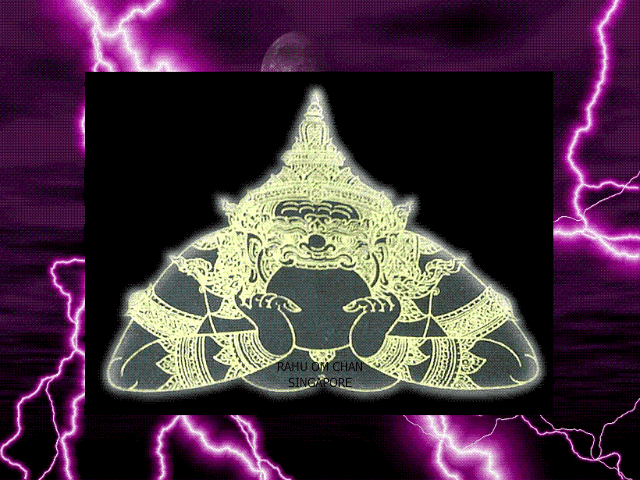
「转运12生肖拉胡天神乍督康」,全身黑色,只有半身,而容凶恶,不了解的善男信女,初见拉胡天神的长相,会被其外形吓到,但是了解拉胡天神的故事与来历,才知道,原来拉胡天神,是我们人的贵星吉星,我们的运程的起落,与它息息相关,我们人如果要过得一帆风顺,不要有小人阻碍,一定要拜「拉胡天神」,因为拉胡最忌小人,也是最讨厌小人。
拉胡天神,为何名叫「拉胡」?它的名字有这样的传说,这是因为当我们运程低时,这位天神就会「拉」及「扶」我们一把,所以大家尊称它为拉胡!
拉胡,是泰国民间流传已经久的天神,在泰国南传佛教的佛寺,有很多都会安座拉胡天神,以供各界膜拜。
口咬太阳月亮
大家都知道,拉胡天神最专长的神力,就是克制小人,凡运气受阻,小人陷害,诸事不顺者,如果膜拜拉胡天神,则将得到无比的神力加持庇佑。
每个人都会有运程起伏,好运时得贵人扶持,行衰运时就遇小人,小人作恶多端。
泰国人克制小人的方法是膜拜拉胡,配戴拉胡,拉胡除了全身黑色,头戴花盖,身躯高大,口中咬着太阳月亮,神情十分凶恶,让人敬畏。
为何拉胡是半身呢?
故事原来是这样的,根据传说,拉胡生性顽皮,经常闯祸,令到众神仙非常讨厌他,而其中最讨厌他的是月亮,有一天,月亮和太阳向众神之神舌娃告拉胡,指拉胡是一名邪神,经常做坏事,舌娃得知后大怒,便将拉胡横腰斩断。
最后,舌娃查明真相,才发现原来拉胡是一名正神,于是就封他为「正神拉胡」,以沉冤得雪,并列为仙班。
得雪沉冤升仙班
也因为如此,拉胡被月亮女神陷害后,非常憎恨喜欢背后中伤他人的小人,所以拉胡天神又有一个名字,则是「食小人佛」尊称。
鉴于拉胡的半身被斩去,全因是月亮女神背后中伤他而导致,所以拉胡嫉恶如仇,在其金身,张开大口,口咬住月亮,便是这个缘故。
而在华人俗称,为天狗抱月,是民间流传己久的灵物,凡供奉或配戴者,都知道,拉胡佛牌是泰国人把日蚀和月蚀,当作是「拉胡天神」对「日月两神」的处罚,每逢日蚀和月蚀,泰国人认为,这是向拉胡请求庇佑和许愿的最好时机。
膜拜拉胡的供品,则必须黑色,如黑腊烛,黑香,黑咖啡。只要诚心向拉胡天神祈求,拉胡会将一切不好的东西带走,而回报一切好的东西给诚心者。
配戴拉胡者,遇上运气低时,拉胡就如护法神护持着,让配戴者顺利平安,小人远离,事事顺利。
Wednesday, 15 July 2009
Merit during Birthday
An old Thai proverb says it best: “if you do good you will receive good; if you do evil you will receive evil ”.
The Thai Buddhist tradition is to contemplate your birth and consider too that sometime your life will end as part of the circle of life, death and rebirth. It’s also the day to pay respect to your mother for the endurance in carrying and giving birth to you and bringing you up.
Many Thais rather spend their birthday giving, or making merit, than receiving gifts. The typical merit for your birthday in Thailand is to donate a coffin to be used by a poor family to part from their beloved. The idea behind it is that giving without expecting returns will benefit your karma and thus promote your own luck.
I was mentioning that I wanted to get the Alm Bucket~ small beach buckets filled with rice, candles, incense, flashlight, and other things the monks need.) for the monk on my birthday and I am still thinking of many other ways which I can do it too, such as through prayer, donating of coffin, monk robe and perhap donating blood.
Tuesday, 14 July 2009
Tiger God in Thailand (虎爷)
Another place where you can find the Tiger God is in the shrine next to Ruamkatanyu Foundation at Wat Hua Lampong. Not only you can pray to the tiger God, you can also come here for merit making by donating coffin for victims killed in accidents or murdered where nobody had come forward to claim or identify the body. I was there in March and we made donation of coffin too.
Monday, 13 July 2009
Poh Teck Tung Foundation 报德善堂
The Poh Teck Tung is a voluntarely Organisation originated from China, situated in Bangkok since 1909, that has hundreds of volunteer workers to clean the streets of the dead.Sunday, 12 July 2009
Phra Si Mahathat Temple (Wat Phra Si Mahathat) (Phitsanulok)
Locally dubbed as “Wat Yai”, the complex is considered the most important temple in Phitsanulok. Housing Thailand’s famous Phra Phutthachinnarat, Wat Yai is located at the foot of Naresuan Bridge on the city side of the river. The temple was built during the reign of Phra Maha Thamma Racha I (Phraya Lithai) in 1357.Phra Phutthachinnarat is considered the most beautiful Buddha image in Thailand. The large Sukhothai-style bronze statue was cast in 1357 by the order of King Maha Thamma Racha I of Sukhothai. The statues unique feature is the flame-like halo a symbol of spiritual radiance. In 1931, King Ekatotsarot (King Naresuan’s younger brother) commanded a gold coating of the image, making it outstanding against the dark backdrop.On either side of Phra Phuttha Chinarat are numerous smaller Buddha images.
Getting there
Phitsanulok is fifty kilometers (31 miles) east of Sukhothai.
Saturday, 11 July 2009
LP Koon Statue
Bronze statue of Luang Pu Koon. Very nice, belonging to an uncle who rent it @ Wat Ban Rai 10 years ago. Friday, 10 July 2009
Luang Pu Koon Yant
This yant was in my drawer for sometime and it's only recently when i start to do some cleaning upi then i found it. According to the thai word on the yant, it's for improving of wealth and business prosperity. So out of curiousity, i check the website and realised people are selling it at S$40/- ! Wow.. and to think i got it free! Anyway, I have given it to a colleague, for a price of $2/-( he say cannot take for free) and i used it for donation to a temple.He was a devotee of Lp Koon because according to him, during the darkest period of his life, he dreamt of LP Koon and from there, he became a follower. He was very happy that he got the yant and me too, it's always great to make someone happy!